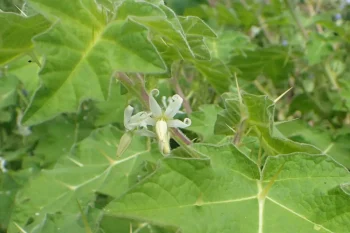
Nightshade (Solanum khasianum): A Lesser-Known Species Worth Understanding
If you’ve stumbled across the name Solanum khasianum while researching nightshade plants, you’re not alone in finding limited information about this particular species. This member of the Solanum family remains somewhat mysterious in the gardening world, with sparse documentation compared to its more well-known cousins.
What We Know About This Nightshade
Solanum khasianum belongs to the diverse Solanum genus, which includes everything from tomatoes and potatoes to ornamental nightshades. However, unlike these popular garden staples, detailed information about S. khasianum’s characteristics, native range, and growing requirements remains limited in readily available horticultural literature.
The Challenge with Lesser-Known Species
When it comes to plants with limited documentation, gardeners face several important considerations:
- Uncertain native status and geographic distribution
- Unknown invasive potential
- Unclear growing requirements and care needs
- Limited availability from reputable nurseries
- Difficulty in proper identification
A Word of Caution
Many Solanum species contain alkaloids that can be toxic to humans and animals. Without clear documentation of this particular species’ properties, it’s wise to exercise caution, especially around children and pets. Additionally, some nightshade species have proven invasive in certain regions, making proper identification crucial.
Better Alternatives for Your Garden
Instead of taking a chance on a poorly documented species, consider these well-researched native alternatives that offer similar appeal:
- Native Solanum species documented for your region
- Local native berry-producing shrubs
- Well-documented native plants that support pollinators
- Regionally appropriate native alternatives recommended by your local extension office
If You Encounter This Plant
Should you come across a plant identified as Solanum khasianum, consider reaching out to local botanical experts, native plant societies, or university extension programs. They can help with proper identification and advise whether it’s appropriate for cultivation in your area.
The Bottom Line
While the world of plants always holds fascinating discoveries, gardening success comes from choosing well-understood species appropriate for your region. When plant information is scarce, it’s often better to explore the wealth of documented native options that will thrive in your garden while supporting local ecosystems.
Remember, the best garden choices are those backed by solid information about growing requirements, ecological impact, and safety considerations. Your local native plant society or master gardener program can point you toward fantastic alternatives that are both garden-worthy and well-documented.