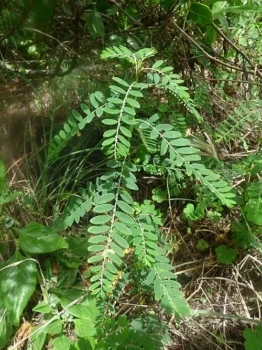
Niruri (Phyllanthus debilis): A Small Herb with Big Questions for Your Garden
Meet niruri, a diminutive annual herb that’s quietly made itself at home in several U.S. territories and states. While this little plant might not win any beauty contests, it has an interesting story and some unique characteristics that might surprise you.
What Exactly is Niruri?
Niruri (Phyllanthus debilis) is a small, unassuming annual forb – basically a soft-stemmed plant without woody tissue. Think of it as the humble cousin in the plant world, staying low to the ground and keeping things simple. This little guy is also known by the scientific synonym Phyllanthus boninsimae, though most people just call it niruri.
Where You’ll Find This Wandering Plant
Originally from tropical Asia, niruri has become quite the traveler. Today, you can find it growing wild in Hawaii, Guam, Palau, and Puerto Rico. It’s what botanists call a naturalized species – meaning it arrived from somewhere else but now reproduces and persists on its own without any human help.
- Species observed
- No observations
The Good, The Bad, and The Neutral
Here’s where things get interesting – and a bit complicated. Niruri sits in a gray area for gardeners:
- The Neutral: It’s not officially listed as invasive or noxious, so you won’t get in trouble for growing it
- The Practical: It’s not exactly a showstopper in terms of looks – we’re talking tiny leaves and barely-there flowers
- The Reality Check: Since it’s not native to North American regions, it doesn’t support local ecosystems the way native plants do
Growing Conditions and Care
If you’re curious about growing niruri, it’s surprisingly adaptable. This little plant can handle different moisture levels depending on where you are. In Caribbean regions, it prefers drier, upland areas, while in Hawaii, it’s more flexible and can tolerate both wet and dry conditions.
As an annual, niruri completes its entire life cycle in one growing season, so you’ll need to replant each year or let it self-seed (which it does quite readily).
Should You Grow Niruri in Your Garden?
Honestly? Probably not as an ornamental choice. Here’s why:
- It’s not particularly attractive or showy
- It doesn’t provide significant benefits to native wildlife or pollinators
- There are much better native alternatives that would serve your garden and local ecosystem better
Better Native Alternatives
Instead of niruri, consider these native options that offer similar low-maintenance growing but with real benefits for your local environment:
- Native wildflowers suited to your specific region
- Local native grasses that provide habitat and erosion control
- Indigenous herbs that support native pollinators and wildlife
The Bottom Line
Niruri is one of those plants that’s neither hero nor villain – it’s just there, doing its quiet thing. While it won’t harm your garden if it shows up, it’s not going to add much value either. Your gardening energy and space are probably better invested in native plants that will create a more vibrant, ecologically supportive landscape.
If you’re interested in small, low-maintenance annual herbs, talk to your local native plant society or extension office about indigenous alternatives that will give you the same easy-care benefits while supporting your local ecosystem.