Norway Spruce: The Majestic European Conifer for Cold Climate Gardens
If you’ve ever dreamed of having that perfect Christmas tree silhouette gracing your landscape year-round, the Norway spruce might just be calling your name. This towering evergreen has been winning hearts (and taking up serious real estate) in North American gardens for generations, though it’s actually a European native that’s made itself quite at home on our continent.
What Exactly Is Norway Spruce?
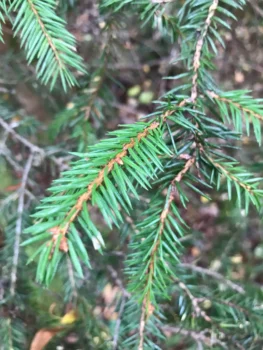
Norway spruce (Picea abies) is a large evergreen conifer that’s basically the overachiever of the spruce family. This perennial tree sports the classic Christmas tree shape we all know and love, with dark green needles and a single trunk that just keeps reaching for the sky. Don’t let the Norway in its name fool you – while it did originate in northern and central Europe, including Scandinavia and extending into the Alps, it’s now found growing wild across much of eastern Canada and the northeastern United States.
Where You’ll Find Norway Spruce Growing Wild
This adaptable tree has established itself across a pretty impressive range in North America. You’ll spot it growing in New Brunswick, Nova Scotia, Ontario, Quebec, and Newfoundland in Canada. In the United States, it’s made itself at home from Maine down to North Carolina and as far west as Minnesota and Illinois. It’s one of those non-native species that reproduces on its own in the wild and has really settled in for the long haul.
- Species observed
- No observations
The Good, The Bad, and The Spectacular
Let’s be honest – Norway spruce is a bit of a space hog. At maturity, this beauty can tower up to 130 feet tall, so it’s definitely not meant for your average suburban backyard. But if you’ve got the room, oh boy, does it deliver on drama! The tree grows at a slow to moderate pace, reaching about 35 feet in its first 20 years, which gives you plenty of time to appreciate its development.
The aesthetic appeal is undeniable. Those dark green needles create dense foliage that looks fantastic year-round, and the classic pyramidal shape provides excellent structure to any landscape. Plus, you’ll get brown cones that add a nice textural element, though they’re not particularly showy.
Finding Its Place in Your Garden
Norway spruce works beautifully as:
- A stunning specimen tree on large properties
- An effective windbreak or privacy screen
- A dramatic backdrop for smaller plants and garden features
- Part of a formal landscape design
This tree is best suited for estates, parks, or large residential properties where it has room to spread its branches without overwhelming the space. It’s particularly at home in cold climate gardens and formal landscape settings.
Growing Conditions That Make Norway Spruce Happy
Norway spruce is surprisingly adaptable, but it does have its preferences. Here’s what it’s looking for:
- Climate: Hardy in USDA zones 2-7, thriving in cooler climates
- Soil: Prefers acidic conditions (pH 5.0-7.0) and handles fine to medium-textured soils well
- Moisture: Medium moisture requirements – not too wet, not too dry
- Sun exposure: Full sun to partial shade
- Space: Needs room to grow – plant 300-700 trees per acre if you’re thinking big
This tree has medium drought tolerance once established and can handle temperatures down to -38°F, making it a real trooper in harsh winter climates.
Planting and Care Tips
Ready to add a Norway spruce to your landscape? Here’s how to set it up for success:
- Timing: Plant in spring after the last frost
- Spacing: Give it plenty of room – this tree will thank you later
- Soil prep: Ensure good drainage and slightly acidic soil
- Watering: Keep young trees consistently moist but not waterlogged
- Mulching: Apply mulch around the base to retain moisture and suppress weeds
- Patience: Remember, slow and steady wins the race with this species
Wildlife and Pollinator Considerations
While Norway spruce isn’t going to be the star of your pollinator garden, it does provide some benefits to wildlife. As a wind-pollinated species, it offers pollen early in the season, though it won’t attract the same buzz of activity you’d see with flowering native plants.
A Word About Native Alternatives
While Norway spruce isn’t invasive or problematic, it’s worth considering some native alternatives that might provide similar benefits while supporting local ecosystems more effectively. Look into native spruces like white spruce (Picea glauca) or native firs and pines that are naturally adapted to your specific region.
The Bottom Line
Norway spruce is a magnificent tree for the right situation – emphasis on right situation. If you have the space, the climate, and the patience to let this European beauty reach its full potential, it can be an absolutely stunning addition to your landscape. Just make sure you’re thinking long-term and have considered how a 130-foot tree will fit into your garden’s future. Sometimes the most beautiful plants are the ones that make us plan ahead!