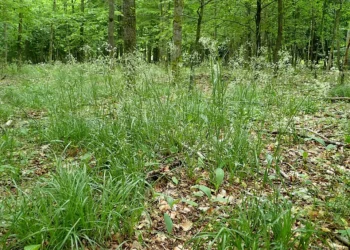
Oakforest Woodrush: A Shade-Loving Grass Alternative for Woodland Gardens
If you’re looking for a low-maintenance, grass-like plant that thrives in those tricky shaded spots where regular turf grass refuses to cooperate, oakforest woodrush (Luzula luzuloides) might just be your new gardening companion. This unassuming perennial brings a soft, natural texture to woodland settings and asks for very little in return.
What Is Oakforest Woodrush?
Oakforest woodrush is a clumping, grass-like perennial that belongs to the rush family. Despite its common name suggesting a connection to oak forests, this adaptable plant can make itself at home in various shaded environments. As a graminoid, it shares characteristics with grasses, sedges, and other grass-like plants, offering that coveted fine texture that many gardeners seek for their landscapes.
This European native has established itself across parts of northeastern North America, including several Canadian provinces and northern U.S. states. You’ll find it growing in Nova Scotia, Ontario, Quebec, Connecticut, Maine, Massachusetts, Minnesota, New Hampshire, New York, Pennsylvania, Vermont, and Wisconsin.
- Species observed
- No observations
Why Consider Oakforest Woodrush?
Here’s what makes this plant appealing to gardeners:
- Thrives in shade where many other plants struggle
- Low maintenance once established
- Provides fine-textured groundcover
- Tolerates poor soils
- Hardy in USDA zones 4-7
- Spreads slowly and manageable
Important Considerations
Before you rush out to plant oakforest woodrush, it’s worth noting that this species is not native to North America. While it’s not currently listed as invasive or noxious, conscientious gardeners might want to consider native alternatives that provide similar benefits while supporting local ecosystems.
Some excellent native alternatives for shaded, grass-like groundcover include native sedges like Pennsylvania sedge (Carex pensylvanica) or plantain-leaved sedge (Carex plantaginea), which offer similar aesthetics while providing better wildlife habitat and supporting native pollinators.
Growing Oakforest Woodrush Successfully
If you decide oakforest woodrush fits your garden vision, here’s how to help it thrive:
Growing Conditions
- Light: Partial to full shade (perfect for those dim corners)
- Soil: Moist, well-drained soils; tolerates poor conditions
- Climate: Prefers cool climates, hardy in zones 4-7
- Moisture: Consistent moisture preferred but adaptable
Planting and Care Tips
Oakforest woodrush is refreshingly low-maintenance. Once you get it established in the right location, it pretty much takes care of itself. Plant it in spring or fall when temperatures are cooler, and make sure the soil stays consistently moist during its first growing season.
This plant spreads slowly through underground rhizomes, forming neat clumps rather than aggressive colonies. You won’t need to worry about it taking over your garden overnight. In fact, its restrained growth habit makes it quite manageable for most garden situations.
Garden Design Ideas
Oakforest woodrush works beautifully in:
- Woodland gardens as naturalized groundcover
- Shaded borders where you need fine texture
- Areas under trees where grass won’t grow
- Cool, moist slopes for erosion control
- Naturalized landscapes with a wild aesthetic
Wildlife and Pollinator Value
As a wind-pollinated plant, oakforest woodrush doesn’t offer the same nectar and pollen resources that many native flowering plants provide to pollinators. While it may provide some habitat structure, native alternatives would offer greater ecological benefits to local wildlife.
The Bottom Line
Oakforest woodrush can be a practical solution for challenging shaded areas where you want a grass-like texture without the fuss. While it’s not native to our continent, it’s also not aggressive or problematic. However, if you’re passionate about supporting native ecosystems, consider exploring native sedge alternatives that can provide similar aesthetic benefits while better supporting local wildlife. Whatever you choose, your shaded garden spaces will thank you for finding a plant that actually wants to grow there!