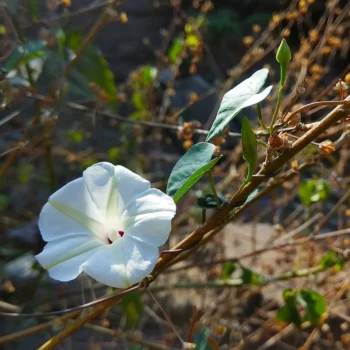
Obscure Morning-Glory: A Little-Known Tropical Vine
If you’ve stumbled upon the name obscure morning-glory, you’re probably wondering what exactly this plant is and whether it belongs in your garden. Well, you’ve discovered one of the more mysterious members of the morning-glory family – Ipomoea obscura – and obscure certainly lives up to its name!
What is Obscure Morning-Glory?
Obscure morning-glory (Ipomoea obscura) is a perennial flowering plant that belongs to the diverse Ipomoea genus, which includes hundreds of morning-glory species worldwide. Unlike its woody cousins, this plant is classified as a forb or herb, meaning it lacks significant woody tissue and dies back to ground level, with its growing points located at or below the soil surface.
Where Does It Grow?
Currently, Ipomoea obscura is found growing in Hawaii, where it has established itself as a non-native species. This means it was introduced from somewhere else and now reproduces on its own in the wild without human assistance. The plant has proven it can persist in Hawaii’s tropical climate, suggesting it’s quite adaptable to warm, humid conditions.
- Species observed
- No observations
Garden Suitability and Considerations
Here’s where things get a bit tricky for gardeners. While obscure morning-glory can grow in both wetland and non-wetland conditions (making it quite flexible), there’s a significant gap in available information about this particular species. We simply don’t have enough data about:
- Its potential invasive behavior
- Specific growing requirements
- Mature size and growth rate
- Pollinator or wildlife benefits
- Hardiness zones beyond tropical Hawaii
The Case for Caution
Given the limited information available about Ipomoea obscura, most gardeners would be wise to consider well-documented alternatives, especially native plants that support local ecosystems. The morning-glory family includes some notorious invasive species, and without clear data on this particular plant’s behavior, it’s better to err on the side of caution.
Native Alternatives to Consider
Instead of obscure morning-glory, consider these well-documented native alternatives that offer similar vine-like beauty:
- Native morning-glories specific to your region
- Native honeysuckles (Lonicera species)
- Regional native climbing plants that support local wildlife
The Bottom Line
While obscure morning-glory might sound intriguing, its very name hints at why it might not be the best garden choice – we simply don’t know enough about it! The lack of readily available growing information, combined with its non-native status, suggests that gardeners passionate about supporting local ecosystems would be better served by choosing native plants with proven track records.
If you’re drawn to the morning-glory family, research native Ipomoea species in your area or consult with local native plant societies. They can guide you toward similar plants that will thrive in your garden while supporting the birds, bees, and butterflies that call your region home.