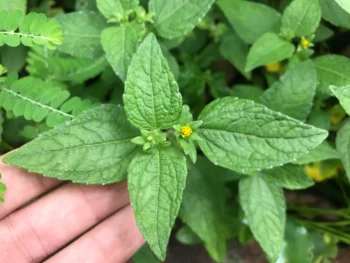
Ogiera (Eleutheranthera ruderalis): A Lesser-Known Tropical Annual
If you’ve stumbled across the name ogiera in your plant research, you’ve discovered one of the more obscure members of the sunflower family. Eleutheranthera ruderalis, commonly known as ogiera, is an annual forb that has found its way into the Caribbean landscape, though it’s not originally from there.
What Exactly Is Ogiera?
Ogiera is a non-native annual plant that belongs to the vast Asteraceae family – the same group that includes sunflowers, daisies, and dandelions. As a forb, it’s essentially an herbaceous plant without any significant woody growth, meaning it stays soft and green throughout its growing season before completing its life cycle within a year.
You might also see this plant listed under its former scientific name, Melampodium ruderale, in older gardening references or botanical texts.
Where Does Ogiera Grow?
Currently, ogiera has established itself in Puerto Rico and the U.S. Virgin Islands, where it reproduces on its own without human intervention. The plant has adapted well enough to these tropical locations that it persists year after year through natural reseeding.
- Species observed
- No observations
Should You Grow Ogiera in Your Garden?
Here’s where things get a bit tricky. While ogiera isn’t listed as invasive or noxious, there’s surprisingly little information available about this plant’s behavior in cultivation, its ecological impact, or even basic growing requirements. This lack of documentation makes it difficult to recommend for home gardens.
What We Know About Growing Conditions
The limited information available tells us that ogiera has a facultative wetland status in the Caribbean region. This botanical term means it’s flexible – it can grow in both wet and dry conditions, making it potentially adaptable to various garden situations.
However, specific details about:
- Soil preferences
- Light requirements
- Water needs
- USDA hardiness zones
- Mature size
- Flowering characteristics
remain largely unknown or undocumented in standard horticultural sources.
A Better Alternative: Consider Native Plants
Given the uncertainty surrounding ogiera’s garden performance and ecological impact, you might want to consider well-documented native alternatives instead. Native plants offer several advantages:
- Proven track record of supporting local wildlife
- Better adaptation to local growing conditions
- Extensive growing information available
- No risk of unexpected invasive behavior
For tropical and subtropical gardens, consider researching native members of the Asteraceae family that are indigenous to your specific region.
The Bottom Line
While ogiera might seem like an interesting addition to a tropical garden, the lack of reliable growing information and its non-native status make it a questionable choice for most gardeners. Sometimes the most responsible approach is to stick with plants that have well-documented benefits and behaviors.
If you’re drawn to lesser-known plants, consider connecting with local native plant societies or botanical gardens – they can often point you toward fascinating native species that deserve more attention and will thrive in your specific growing conditions.