Oldfashioned Weigela: A Spring Bloomer That’s Not From Around Here
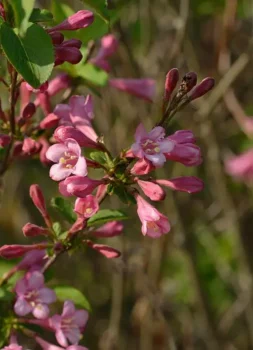
If you’ve been strolling through neighborhoods in late spring and spotted shrubs absolutely covered in pink, trumpet-shaped flowers, you’ve likely encountered oldfashioned weigela (Weigela florida). This cheerful bloomer has been winning over American gardeners for decades, even though it’s actually a world traveler from northern China and Korea.
What Exactly Is Oldfashioned Weigela?
Oldfashioned weigela is a deciduous shrub that typically grows 6 to 10 feet tall and wide, creating a rounded, somewhat arching form. As a perennial woody plant with multiple stems emerging from the base, it’s built to stick around year after year. You might also see it listed under its former scientific name, Diervilla florida, though botanists have since settled on Weigela florida.
Where You’ll Find It Growing
While this plant originally called East Asia home, it has naturalized in parts of the United States, including Georgia, Massachusetts, and Pennsylvania. This means it’s established itself in the wild and reproduces without human intervention in these areas.
- Species observed
- No observations
The Good, the Beautiful, and the Blooming
Let’s talk about why gardeners fall for this shrub. In late spring to early summer, oldfashioned weigela puts on quite the show with clusters of funnel-shaped flowers in shades of pink to rose-red. These blooms are magnets for:
- Bees looking for nectar
- Butterflies seeking a sweet treat
- Hummingbirds drawn to the tubular flower shape
The flowering display typically lasts several weeks, making it a reliable source of spring color when many gardens are still waking up from winter.
Where Weigela Fits in Your Garden
This adaptable shrub works well in several garden settings. Consider it for foundation plantings where you want seasonal interest, mixed perennial borders where it can provide structure and spring color, or as a specimen plant where its arching branches can be appreciated. It’s particularly at home in cottage-style gardens and informal landscape designs.
Growing Conditions: What Makes Weigela Happy
Oldfashioned weigela is pleasantly low-maintenance once established. Here’s what it prefers:
- Sunlight: Full sun to partial shade (more sun equals more flowers)
- Soil: Well-draining soil of various types, though it performs best in fertile, slightly acidic to neutral conditions
- Water: Moderate moisture; drought-tolerant once established
- Climate: Hardy in USDA zones 4-8
Planting and Care Made Simple
Getting your weigela off to a good start isn’t complicated:
- Plant in spring or fall when temperatures are moderate
- Water regularly during the first growing season to help establish roots
- Apply a 2-3 inch layer of mulch around the base to retain moisture and suppress weeds
- Prune immediately after flowering if needed to maintain shape (avoid late-season pruning as it removes next year’s flower buds)
A Word About Native Alternatives
While oldfashioned weigela isn’t considered invasive, some gardeners prefer to focus on native plants that naturally support local ecosystems. If you’re interested in native alternatives that provide similar spring color and attract pollinators, consider:
- Native azaleas (Rhododendron species)
- Serviceberry (Amelanchier species)
- Spicebush (Lindera benzoin)
- Coral honeysuckle (Lonicera sempervirens) for a climbing option
The Bottom Line on Oldfashioned Weigela
Oldfashioned weigela offers reliable spring beauty with minimal fuss, making it an understandable choice for gardeners seeking dependable color. While it’s not native to North America, it’s not considered problematic either. Whether you choose to grow it or explore native alternatives, the most important thing is creating a garden that brings you joy and supports the wildlife in your area.
Remember, every garden is a personal expression, and there’s room for thoughtful choices that balance beauty, maintenance, and ecological impact.