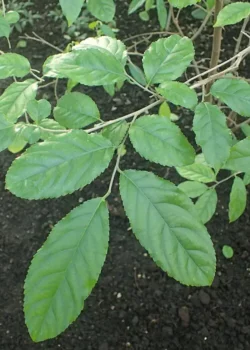
Oncoba routledgei: The Mysterious African Native You’ve Probably Never Heard Of
If you’re scratching your head wondering what exactly Oncoba routledgei is, you’re not alone! This obscure plant species has managed to fly under the radar of most gardening enthusiasts, and frankly, there’s a good reason for that. Let’s dive into what we know (and don’t know) about this mysterious member of the plant kingdom.
What Is Oncoba routledgei?
Oncoba routledgei belongs to the genus Oncoba, which is part of the willow family (Salicaceae). The genus consists of tropical African trees and shrubs, but when it comes to our specific species, O. routledgei, the details get pretty murky. Without a widely recognized common name, this plant remains known primarily by its scientific moniker.
Where Does It Come From?
Based on its genus classification, Oncoba routledgei likely hails from tropical regions of Africa, where other Oncoba species naturally occur. However, the specific geographical distribution of this particular species remains unclear, making it difficult to pinpoint exactly where you might encounter it in the wild.
The Challenge for Home Gardeners
Here’s where things get tricky for anyone interested in growing Oncoba routledgei. The lack of readily available information about this species presents several challenges:
- Unknown growth requirements and preferred conditions
- Unclear hardiness zones and climate tolerance
- Limited availability in the nursery trade
- Uncertain mature size and growth habits
- Unknown wildlife and pollinator benefits
Should You Try to Grow It?
The honest answer? Probably not, unless you’re a serious plant collector with experience growing obscure tropical species. Without clear growing guidelines, specific care requirements, or even basic information about its garden potential, Oncoba routledgei falls into the category of plants best left to botanical researchers and specialized collectors.
Better Alternatives for Your Garden
If you’re drawn to unusual plants with interesting stories, consider focusing on well-documented native species in your area instead. Native plants offer several advantages:
- Proven performance in local growing conditions
- Known wildlife and pollinator benefits
- Available care and cultivation information
- Support for local ecosystems
- Often easier to source from reputable nurseries
The Bottom Line
While Oncoba routledgei might sound intriguing to plant enthusiasts who love a challenge, the lack of available growing information makes it an impractical choice for most gardeners. Sometimes the most responsible approach is to admire a plant’s mystery from afar while focusing our gardening efforts on species we can successfully cultivate and enjoy.
If you’re interested in African native plants, consider researching better-documented species from the continent that have established themselves in cultivation. Your garden (and your sanity) will thank you for choosing plants with clear growing requirements and proven garden performance!