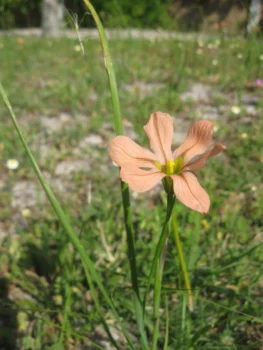
One-Leaf Cape Tulip: A Beautiful But Problematic Plant You Should Avoid
If you’ve ever spotted bright yellow, tulip-like flowers popping up in spring and wondered what they were, you might have encountered the one-leaf Cape tulip (Moraea flaccida). While this South African native might catch your eye with its cheerful blooms, there’s an important reason why you shouldn’t invite it into your garden.
What is One-Leaf Cape Tulip?
One-leaf Cape tulip is a perennial forb that grows from underground bulbs. As its common name suggests, each bulb typically produces just one narrow leaf, making it relatively easy to identify. The plant is also known by its botanical name, Moraea flaccida, and was formerly classified as Homeria flaccida.
This member of the iris family produces distinctive bright yellow flowers that resemble small tulips, which bloom in spring. While undeniably attractive, this plant’s beauty comes with a significant downside that every gardener should know about.
The Problem: It’s a Noxious Weed
Here’s the crucial information every gardener needs to know: one-leaf Cape tulip is classified as a noxious weed in the United States. This means it’s not just an unwelcome guest in our ecosystems—it’s actively harmful and legally regulated.
Originally native to the Western Cape region of South Africa, this plant has proven to be highly invasive when introduced to other Mediterranean-climate regions. It spreads aggressively through both bulb division and seed production, quickly overtaking native plant communities and disrupting local ecosystems.
Why You Should Never Plant One-Leaf Cape Tulip
While the sunny yellow blooms might seem appealing, here’s why this plant should never find a home in your garden:
- Legal issues: As a noxious weed, planting or spreading this species may violate local regulations
- Ecological damage: It outcompetes and displaces native wildflowers and grasses
- Difficult to control: Once established, it’s extremely challenging to eradicate
- Toxic to livestock: The plant contains compounds that can be harmful to grazing animals
- Aggressive spread: It reproduces both by bulb division and prolific seed production
Better Alternatives for Your Garden
Instead of risking the ecological and legal problems that come with one-leaf Cape tulip, consider these native alternatives that offer similar spring color:
- Native bulbs: Look for indigenous bulb species in your region that provide early spring blooms
- Native wildflowers: Many regions have yellow-flowered native perennials that bloom in spring
- Native iris species: If you love the iris family, seek out species native to your area
What to Do If You Find It
If you discover one-leaf Cape tulip growing on your property or in your community, the best course of action is removal and reporting:
- Contact your local extension office or invasive species coordinator
- Remove plants carefully, including all bulbs and bulb fragments
- Dispose of plant material through proper channels (never compost invasive species)
- Monitor the area for new growth and repeat removal as needed
The Bottom Line
While one-leaf Cape tulip might look innocent enough with its cheerful yellow blooms, this is one plant that definitely doesn’t deserve a place in responsible gardens. Its classification as a noxious weed isn’t just bureaucratic red tape—it reflects real environmental harm that this species causes when it escapes cultivation.
As gardeners, we have the power to make choices that support our local ecosystems rather than harm them. By choosing native alternatives and avoiding problematic species like one-leaf Cape tulip, we can create beautiful gardens that work in harmony with the natural world around us.
Remember: the most beautiful garden is one that enhances rather than threatens the local environment. Skip the Cape tulip and give native plants a chance to shine in your landscape instead.