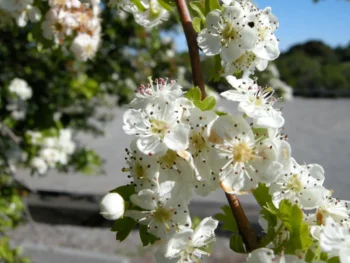
Oneseed Hawthorn: A Thorny Character for Your Garden
Looking for a tough, no-nonsense shrub that can handle whatever Mother Nature throws at it? Meet the oneseed hawthorn (Crataegus monogyna), a resilient beauty that’s been making itself at home in gardens across North America for generations. While this European transplant isn’t native to our continent, it’s earned its place in many landscapes through sheer determination and surprising charm.
What Exactly Is Oneseed Hawthorn?
Oneseed hawthorn is a perennial shrub that typically grows as a multi-stemmed woody plant, usually staying under 13-16 feet tall. Don’t let the modest height fool you though – this plant has personality! It’s also known by several other botanical names including Crataegus oxyacantha, though Crataegus monogyna is the accepted name today.
True to its name, this hawthorn is all about the thorns. But beyond its prickly exterior lies a plant with genuine garden appeal, featuring delicate spring blooms and eye-catching fall berries that birds absolutely love.
Where Does It Grow?
Originally from Europe and parts of Asia, oneseed hawthorn has made itself comfortable across a surprisingly wide range of North American locations. You’ll find it established in states from Alaska to Arkansas, and from British Columbia to West Virginia. It’s particularly well-established throughout the northeastern United States and eastern Canada, though it’s also found its way to the Pacific Coast and various spots in between.
- Species observed
- No observations
The Good, The Bad, and The Beautiful
So why might you want to invite this thorny character into your garden? Here are the compelling reasons:
- Spring flowers: Purple-tinged blooms appear in mid-spring, creating a lovely display and attracting pollinators like bees
- Fall berries: Bright red fruits provide autumn color and winter food for wildlife
- Tough as nails: High drought tolerance once established, handles various soil types
- Slow and steady: Reaches about 20 feet at maturity with a slow growth rate, so no surprises
- Dense foliage: Makes an excellent privacy screen or hedge
However, there are some considerations to keep in mind. Those thorns aren’t just for show – they’re sharp and plentiful, making this plant less suitable for areas where children play. The slow growth rate means you’ll need patience if you’re looking for quick results.
Growing Conditions That Make It Happy
One of oneseed hawthorn’s greatest strengths is its adaptability. This plant is remarkably unfussy about its living conditions:
- Soil: Adapts to coarse, medium, or fine-textured soils
- pH preference: Slightly acidic to neutral (6.0-7.2)
- Water needs: Medium moisture requirements, but highly drought tolerant
- Sun exposure: Full sun preferred (shade intolerant)
- Hardiness: Can handle temperatures down to -23°F, making it suitable for USDA zones 5-8
The plant typically prefers well-draining upland sites rather than wetland conditions, though it can occasionally tolerate some moisture variation depending on your region.
Planting and Care Tips
Getting your oneseed hawthorn established is fairly straightforward:
- When to plant: Spring or fall, after the last frost
- Spacing: Allow 6-14 feet between plants depending on your intended use
- Propagation: Can be grown from seed (though cold stratification is required), cuttings, or purchased as container or bare-root plants
- Initial care: Water regularly the first year while establishing, then reduce frequency
- Pruning: Best done in late winter; wear thick gloves and long sleeves!
Seeds are tiny – about 24,000 per pound – and seedling vigor is considered low, so starting with nursery plants might be your best bet for quicker establishment.
Wildlife and Pollinator Benefits
While specific wildlife benefit data for this species is limited, hawthorns in general are valuable for supporting local ecosystems. The spring flowers provide nectar for bees and other pollinators, while the abundant red berries offer food for birds during fall and winter months. The dense, thorny structure also provides excellent nesting sites for smaller birds.
A Word About Native Alternatives
While oneseed hawthorn isn’t considered invasive, native gardening enthusiasts might want to consider North American hawthorn species instead. Depending on your region, native options like downy hawthorn (Crataegus mexicana) or black hawthorn (Crataegus douglasii) might provide similar benefits while supporting local ecosystems more directly.
Is Oneseed Hawthorn Right for You?
This plant is perfect if you’re looking for a low-maintenance, drought-tolerant shrub that provides year-round interest and wildlife value. It’s ideal for naturalized areas, hedgerows, or as a specimen plant where its thorny nature won’t be problematic. However, if you’re gardening in a small space with children or prefer quick-growing plants, you might want to explore other options.
Whatever you decide, oneseed hawthorn proves that sometimes the most resilient garden characters are the ones that know how to make themselves at home wherever they land – thorns and all!