Growing Onions (Allium) in Your Garden: A Complete Guide
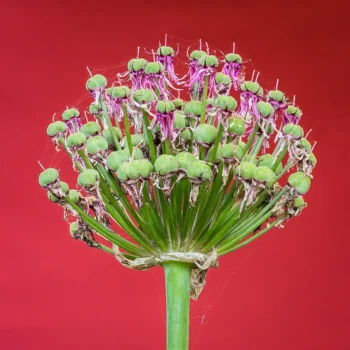
If you’ve ever wondered about adding some pop to your garden with those distinctive globe-shaped flowers you see in spring, you might be thinking about Allium! This diverse group of perennial plants, commonly known as onions, brings both beauty and functionality to gardens across North America.
What Exactly Are Alliums?
Alliums are herbaceous perennial plants that belong to the forb family – basically, they’re non-woody plants that come back year after year. Unlike their woody shrub cousins, these plants die back to ground level each winter and emerge fresh each spring. Think of them as the garden’s reliable comeback artists!
Where Do They Grow?
Here’s where things get interesting with Alliums – they’re practically everywhere! You’ll find them growing across all 50 U.S. states, throughout Canada from British Columbia to Newfoundland, and even in territories like the U.S. Virgin Islands and Palau. They’ve become so widespread that they’re now considered non-native in many regions, particularly in the Pacific Basin, though their status in Alaska, Canada, and the lower 48 states remains somewhat undefined.
- Species observed
- No observations
Should You Plant Them?
This is where gardeners need to think carefully. While Alliums aren’t typically listed as invasive or noxious weeds, their non-native status in many areas means you might want to consider native alternatives first. However, if you do choose to grow them, they can be wonderful garden additions when grown responsibly.
Here’s what makes them appealing:
- Excellent pollinator plants that attract bees and butterflies
- Distinctive globe-shaped flower clusters that add architectural interest
- Generally low-maintenance once established
- Come back reliably each year as perennials
Growing Alliums Successfully
If you decide to grow Alliums, here’s what you need to know to keep them happy:
Planting Conditions: Most Alliums prefer well-drained soil and full sun to partial shade. They’re not particularly fussy about soil type, but good drainage is crucial to prevent bulb rot.
Hardiness: Different Allium species thrive in various USDA hardiness zones, typically ranging from zones 3 through 9, making them suitable for most North American gardens.
Care Tips:
- Plant bulbs in fall for spring blooms
- Allow foliage to die back naturally after flowering – this feeds the bulb for next year’s display
- Water moderately during growing season; they prefer drier conditions when dormant
- Divide clumps every 3-4 years to maintain vigor
Consider Native Alternatives
Before planting Alliums, consider exploring native onion species that might be indigenous to your specific region. Native plants typically require less maintenance, support local ecosystems better, and are perfectly adapted to your local climate conditions.
The Bottom Line
Alliums can be beautiful, pollinator-friendly additions to your garden, but their widespread non-native status means they should be planted thoughtfully. If you choose to grow them, do so responsibly and consider balancing them with native plants that support your local ecosystem. After all, the best gardens are those that are both beautiful and environmentally conscious!