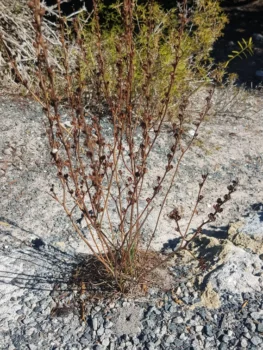
Onionweed: Why This Mediterranean Import Should Stay Out of Your Garden
If you’ve encountered onionweed (Asphodelus fistulosus) in your travels through California, New Mexico, or Texas, you might have been charmed by its delicate white flower spikes swaying in the breeze. But don’t let its innocent appearance fool you – this Mediterranean native has earned itself a reputation as a serious garden troublemaker and ecological disruptor.
What Is Onionweed?
Onionweed, scientifically known as Asphodelus fistulosus, is a perennial plant that originally called the Mediterranean region, North Africa, and southwestern Asia home. Also known by the synonym Asphodelus tenuifolius, this plant has unfortunately made itself quite comfortable in parts of the American Southwest, where it’s been busy reproducing without any human help – and that’s exactly the problem.
Where You’ll Find It (And Why That’s Concerning)
Currently, onionweed has established populations in California, New Mexico, and Texas. While it might seem contained to just these three states, invasive plants have a sneaky way of expanding their territory when we’re not looking. The plant thrives in USDA hardiness zones 8-11, making much of the southern United States potentially suitable habitat.
- Species observed
- No observations
The Noxious Truth About Onionweed
Here’s where things get serious: onionweed isn’t just non-native – it’s officially classified as a noxious weed in the United States. This designation isn’t handed out lightly. It means that this plant poses a genuine threat to our ecosystems, agriculture, and native plant communities.
As a non-native species that reproduces spontaneously in the wild and tends to persist, onionweed can quickly establish dense populations that crowd out native plants. These native plants are crucial for supporting local wildlife, maintaining soil health, and preserving the ecological balance that took thousands of years to develop.
Why Gardeners Should Avoid Onionweed
While onionweed might have some aesthetic appeal with its grass-like foliage and tall spikes of small white flowers, the risks far outweigh any potential garden benefits. Here’s why you should steer clear:
- It’s incredibly adaptable and can thrive in poor soils with minimal water
- It spreads aggressively and can quickly overtake garden areas
- Seeds can escape your garden and establish in natural areas
- It’s drought tolerant, making it persistent even in challenging conditions
- Its invasive nature means it can harm local ecosystems
Native Alternatives That Actually Benefit Your Garden
Instead of risking the ecological damage that comes with planting onionweed, consider these beautiful native alternatives that will support local wildlife and ecosystems:
- Desert Marigold (Baileya multiradiata) for sunny, dry areas
- Purple Three-awn (Aristida purpurea) for native grass texture
- Blanket Flower (Gaillardia species) for colorful, drought-tolerant blooms
- Desert Lupine (Lupinus sparsiflorus) for tall flower spikes
What to Do If You Find Onionweed
If you discover onionweed growing on your property, the best course of action is removal. Because of its noxious status, many areas have specific guidelines for dealing with invasive plants. Contact your local extension office or land management agency for advice on the best removal methods for your situation.
The Bottom Line
While onionweed might look harmless or even attractive, its status as a noxious weed means it has no place in responsible gardening. By choosing native alternatives instead, you’ll be creating a garden that’s not only beautiful but also supports the local ecosystem and wildlife that call your area home. Your garden can be a force for ecological good – and that’s far more rewarding than any invasive plant could ever be.