Orange Eye Butterflybush: Beautiful but Problematic
The orange eye butterflybush (Buddleja davidii) is one of those plants that perfectly illustrates the saying looks can be deceiving. With its gorgeous, fragrant flower spikes and butterfly-magnet qualities, it’s easy to see why this perennial shrub has found its way into countless gardens across North America. But before you fall head-over-heels for this charming plant, there are some important things you need to know.
What is Orange Eye Butterflybush?
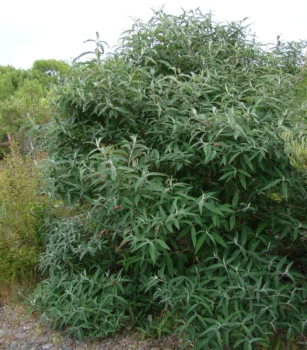
Buddleja davidii is a multi-stemmed woody perennial shrub that typically grows 13 to 16 feet tall, though it can sometimes reach greater heights depending on growing conditions. This fast-growing plant produces several stems from or near the ground, creating a fountain-like appearance that’s quite striking in the landscape.
Originally hailing from China and Japan, this non-native species has made itself quite at home across much of North America, establishing populations in British Columbia, California, Connecticut, Georgia, Hawaii, Illinois, Kentucky, Maryland, Massachusetts, Michigan, New Jersey, New York, North Carolina, Ohio, Oregon, Pennsylvania, South Carolina, Tennessee, Virginia, Washington, West Virginia, and Puerto Rico.
- Species observed
- No observations
The Beauty and the Beast Situation
Here’s where things get complicated. The orange eye butterflybush is undeniably beautiful, producing long, cone-shaped clusters of small, fragrant flowers in shades of purple, pink, white, or yellow from summer through fall. These blooms are absolute butterfly magnets, which is how the plant earned its common name.
However, this plant has a dark side. It’s been flagged as invasive in some regions and is on the watch list in Delaware. The plant reproduces spontaneously in the wild without human help and has a tendency to persist and spread, sometimes crowding out native vegetation that local wildlife depends on.
Growing Conditions and Care
If you’re determined to grow this plant (though we’ll discuss alternatives shortly), here’s what you need to know:
- Hardiness: Thrives in USDA zones 5-9
- Sun requirements: Full sun for best flowering
- Soil needs: Well-drained soil; quite adaptable to different soil types
- Water requirements: Drought tolerant once established
- Maintenance: Benefits from annual pruning to maintain shape and size
Wetland Compatibility
The orange eye butterflybush generally prefers upland conditions. Across most regions, it has a Facultative Upland status, meaning it usually occurs in non-wetlands but may occasionally pop up in wetland areas. In the Caribbean region, it’s classified as Obligate Upland, almost never occurring in wetlands.
The Responsible Gardener’s Dilemma
While the orange eye butterflybush does attract butterflies and other pollinators with its nectar-rich flowers, there’s an important caveat: it’s what we call a butterfly bar rather than a butterfly nursery. Adult butterflies may visit for nectar, but the plant doesn’t support butterfly reproduction since native caterpillars can’t eat its leaves.
Given its invasive potential and tendency to escape cultivation, we recommend avoiding this plant in favor of native alternatives that provide both nectar for adult butterflies and host plants for their caterpillars.
Better Native Alternatives
Instead of orange eye butterflybush, consider these native options that offer similar benefits without the invasive concerns:
- Native buttonbush (Cephalanthus occidentalis): Produces spherical white flower clusters that attract butterflies and other pollinators
- Spicebush (Lindera benzoin): Early spring bloomer that hosts spicebush swallowtail caterpillars
- Native azaleas: Depending on your region, various native azalea species provide stunning blooms and support local ecosystems
- Elderberry (Sambucus canadensis): Produces clusters of white flowers followed by berries that feed birds
The Bottom Line
While the orange eye butterflybush might seem like the perfect addition to your wildlife garden, its invasive nature makes it a problematic choice for environmentally conscious gardeners. By choosing native alternatives, you’ll create a landscape that’s not only beautiful but also supports local wildlife throughout their entire life cycles. Your garden—and your local ecosystem—will thank you for making the more sustainable choice.