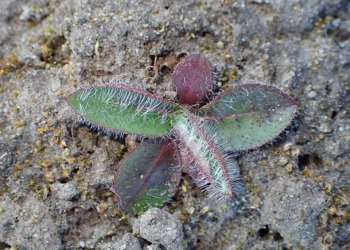
Orange Hawkweed: A Beautiful but Problematic Non-Native Plant
If you’ve spotted bright orange, daisy-like flowers carpeting a meadow or field edge, you’ve likely encountered orange hawkweed (Hieracium aurantiacum). While these vibrant blooms might catch your eye and seem like a cheerful addition to any garden, this European import comes with some serious baggage that every gardener should know about.
What is Orange Hawkweed?
Orange hawkweed is a perennial forb – essentially an herbaceous plant without woody stems that lives for multiple years. This non-native species has made itself quite at home across North America, establishing populations from Alaska down through most U.S. states and across Canadian provinces. Originally from the mountains of Europe, this plant has proven to be an exceptionally successful colonizer of new territories.
Where You’ll Find It
Orange hawkweed has spread across an impressive geographic range, thriving in locations from Alberta and British Columbia in Canada to states as diverse as Arkansas, California, Colorado, Florida, and Wyoming. Its adaptability to various climates and growing conditions has allowed it to establish in nearly every corner of North America.
- Species observed
- No observations
The Problem with Orange Hawkweed
Here’s where things get serious: orange hawkweed isn’t just a harmless wildflower. It’s classified as a noxious weed in Alaska, where it’s actually prohibited. This designation exists for good reason – the plant is an aggressive spreader that can quickly dominate native plant communities and disrupt local ecosystems.
The species reproduces both by seeds and through underground stems called stolons, allowing it to form dense mats that crowd out native plants. Once established, it can be extremely difficult to remove and control.
Why You Shouldn’t Plant It
Despite its undeniably attractive orange flowers, we strongly recommend against planting orange hawkweed for several important reasons:
- It’s an invasive species that can escape cultivation and harm native ecosystems
- It’s classified as a prohibited noxious weed in some areas
- It can quickly take over garden spaces and become difficult to manage
- It competes with and displaces beneficial native plants
Native Alternatives to Consider
If you’re drawn to orange hawkweed’s bright, cheerful blooms, consider these native alternatives that offer similar aesthetic appeal without the ecological concerns:
- Butterfly weed (Asclepias tuberosa) – stunning orange flowers that support monarch butterflies
- Orange jewelweed (Impatiens capensis) – native annual with orange blooms
- Wood lily (Lilium philadelphicum) – native lily with orange petals
- Blackeyed Susan (Rudbeckia species) – native yellow-orange daisy-like flowers
If You Already Have It
If orange hawkweed has already established itself on your property, removal is challenging but important for protecting local native plant communities. The extensive root system and spreading habit make complete removal difficult, often requiring multiple years of persistent effort. Consider consulting with local extension services or invasive species specialists for the most effective removal strategies in your area.
The Bottom Line
While orange hawkweed’s bright blooms might seem appealing, this non-native species poses too many risks to recommend for garden use. By choosing native alternatives, you can enjoy beautiful orange flowers while supporting local ecosystems and avoiding the headaches that come with invasive plants. Your local wildlife – and your fellow gardeners – will thank you for making the responsible choice.