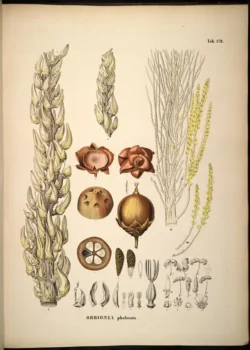
Orbignya Palms: Majestic Giants for Tropical Gardens
If you’ve ever dreamed of creating your own slice of tropical paradise, you might have stumbled across the impressive Orbignya genus. These towering palms, commonly known simply as orbignya, bring serious drama to any landscape – but they’re definitely not for every gardener or every climate.
What Exactly Is Orbignya?
Orbignya refers to a group of large palm trees that call South America home, with most species native to Brazil and surrounding regions. These aren’t your typical backyard palms – we’re talking about substantial trees that can reach impressive heights and create stunning focal points in the right setting.
The Good, The Bad, and The Beautiful
Let’s be honest about what you’re getting into with orbignya palms. On the positive side, these palms offer:
- Spectacular tropical aesthetics with large, feathery fronds
- Excellent specimen plants for creating dramatic focal points
- Flowers that attract various pollinators and beneficial insects
- Authentic South American tropical garden vibes
However, there are some significant considerations that might make you think twice:
- Extremely limited cold tolerance (USDA zones 10-11 only)
- Requires consistently warm, humid conditions
- Needs substantial space due to large mature size
- Can be challenging to source and establish
Growing Conditions: Not for the Faint of Heart
If you’re still determined to give orbignya a try, you’ll need to provide very specific conditions. These palms thrive in warm, humid climates that rarely dip below 40°F. They prefer well-draining soil that stays consistently moist but never waterlogged.
Wind protection is crucial, as the large fronds can be damaged by strong gusts. Think of a sheltered spot in your garden where the palm can spread its fronds without battling the elements.
Planting and Care Tips
Successfully growing orbignya requires attention to detail:
- Choose a location with morning sun and afternoon shade
- Ensure excellent drainage while maintaining consistent moisture
- Provide protection from strong winds
- Be patient – these palms are typically slow growers
- Regular feeding during growing season helps maintain healthy frond development
Is Orbignya Right for Your Garden?
Honestly, unless you’re gardening in southern Florida, Hawaii, or similar tropical climates, orbignya probably isn’t your best bet. The climate requirements are quite restrictive, and these palms simply won’t survive in most temperate regions.
If you’re in a suitable climate zone and have the space for a large specimen palm, orbignya can create an absolutely stunning centerpiece for tropical landscape designs. However, if you’re looking for palm options with broader adaptability, consider exploring native palm species in your region or cold-hardy alternatives that might give you similar aesthetic appeal with less fuss.
Remember, successful gardening often means working with your climate rather than against it – and orbignya definitely falls into the very specific climate requirements category!