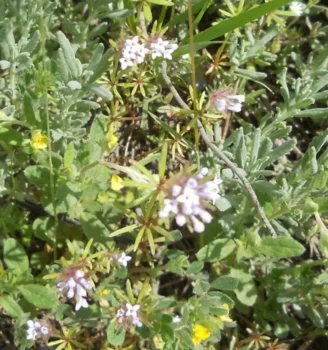
Oriental Asperula: A Delicate Annual for Rock Gardens and Beyond
Meet Oriental asperula (Asperula orientalis), a charming little annual that’s been quietly making itself at home in American gardens. This petite Mediterranean native brings a touch of old-world elegance with its clusters of tiny, star-shaped flowers and delicate, whorled foliage that seems almost too dainty to be real.
What is Oriental Asperula?
Oriental asperula is a non-native annual plant that originally hails from Turkey, Syria, and surrounding Middle Eastern regions. While it’s not native to North America, this little wanderer has established itself in parts of North Dakota and Oregon, where it reproduces on its own without any help from gardeners.
- Species observed
- No observations
Don’t let its delicate appearance fool you – this is one tough little plant that’s perfectly happy to naturalize in the right conditions.
Why You Might Want to Grow Oriental Asperula
There are several reasons why gardeners find themselves drawn to this unassuming annual:
- Effortless elegance: The tiny white or pink flowers create a cloud-like effect that softens harsh edges in the garden
- Low maintenance: Once established, it practically takes care of itself
- Drought tolerant: Perfect for water-wise gardening approaches
- Pollinator friendly: Small bees and beneficial insects appreciate the nectar source
- Self-seeding: It’ll come back year after year if conditions are right
Garden Design and Landscape Role
Oriental asperula shines in several garden settings. It’s particularly at home in rock gardens, where its delicate texture contrasts beautifully with stone and other drought-tolerant plants. Mediterranean-style gardens are another natural fit, as are cottage gardens where its informal, self-seeding nature adds to the relaxed atmosphere.
Use it as a ground cover in areas where you want something low and unobtrusive, or let it weave between other plants in mixed borders. Its fine texture makes it an excellent companion for plants with bolder foliage or more substantial flowers.
Growing Conditions and Care
The good news is that Oriental asperula isn’t particularly fussy about its growing conditions. Here’s what it prefers:
- Light: Full sun to partial shade
- Soil: Well-draining soil is essential – it won’t tolerate soggy conditions
- Water: Drought tolerant once established, but benefits from occasional watering during dry spells
- Hardiness: Best suited for USDA zones 7-10
Planting and Care Tips
Growing Oriental asperula is refreshingly straightforward:
- Direct sow seeds in spring after the last frost
- Barely cover the seeds with soil – they need light to germinate
- Keep the soil consistently moist until seedlings are established
- Once established, it requires minimal care beyond occasional watering
- Allow some plants to go to seed if you want it to return next year
A Word About Native Alternatives
While Oriental asperula isn’t considered invasive, gardeners interested in supporting native ecosystems might consider these native alternatives that offer similar aesthetic qualities:
- Wild bergamot (Monarda fistulosa) for similar pollinator benefits
- Native sedums for drought tolerance and delicate textures
- Regional native ground covers that provide similar design functions
The Bottom Line
Oriental asperula is a perfectly pleasant addition to gardens where its Mediterranean origins align with your growing conditions and design goals. It’s not going to overwhelm your garden or become a maintenance nightmare, but it’s also not going to provide the same level of wildlife support as native alternatives.
If you’re drawn to its delicate charm and have a spot that matches its preferences for well-drained soil and decent sun exposure, go ahead and give it a try. Just remember that supporting native plants whenever possible helps create healthier, more resilient garden ecosystems.