Oriental Lady’s Thumb: An Invasive Plant You Should Avoid in Your Garden
If you’ve ever noticed a low-growing plant with small pink flower spikes popping up uninvited in your garden, you might have encountered Oriental lady’s thumb (Polygonum cespitosum). While this annual herb might look innocent enough, it’s actually an aggressive invader that’s causing headaches for gardeners and land managers across North America.
What is Oriental Lady’s Thumb?
Oriental lady’s thumb is a non-native annual forb that originally hails from Asia. Also known by its synonyms Persicaria posumbu and Polygonum caespitosum, this herbaceous plant lacks significant woody tissue and completes its entire life cycle in just one growing season. Don’t let its delicate appearance fool you – this plant is a master at reproduction and spreading.
Where You’ll Find It (Unfortunately)
This invasive species has made itself at home across a huge swath of North America, from coast to coast. You can find Oriental lady’s thumb established in Alabama, Arkansas, Connecticut, Delaware, Florida, Georgia, Illinois, Indiana, Iowa, Kansas, Kentucky, Louisiana, Maine, Maryland, Massachusetts, Michigan, Minnesota, Mississippi, Missouri, Nebraska, New Hampshire, New Jersey, New Mexico, New York, North Carolina, Ohio, Pennsylvania, South Carolina, Tennessee, Texas, Vermont, Virginia, West Virginia, and Wisconsin in the United States. It’s also thriving in the Canadian provinces of Alberta, British Columbia, New Brunswick, Ontario, and Quebec.
- Species observed
- No observations
Why You Shouldn’t Plant It
Here’s the bottom line: Oriental lady’s thumb is classified as invasive and prohibited in Connecticut, and for good reason. This plant reproduces spontaneously in the wild and tends to persist without any human help. Once it gets established, it can quickly take over areas and crowd out native plants that our local wildlife depends on.
As a facultative upland species, Oriental lady’s thumb usually grows in non-wetland areas but can also tolerate wetland conditions across the Atlantic and Gulf Coastal Plain, Eastern Mountains and Piedmont, and Northcentral & Northeast regions. This adaptability makes it even more problematic as an invasive species.
What It Looks Like
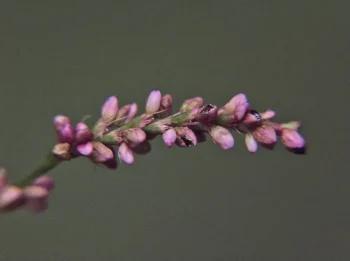
Oriental lady’s thumb produces small pink flowers arranged in dense, spike-like clusters. The plant stays relatively low to the ground and spreads outward, making it effective at covering large areas quickly. Its lance-shaped leaves and spreading growth habit might initially seem attractive, but remember – this plant’s aggressive nature far outweighs any aesthetic appeal.
Better Native Alternatives
Instead of risking the introduction of this invasive species to your garden, consider these native alternatives that provide similar aesthetic benefits without the ecological problems:
- Wild bergamot (Monarda fistulosa) for pink-purple flower spikes
- Native sedums like wild stonecrop for low-growing ground cover
- Wild ginger (Asarum canadense) for spreading groundcover in shade
- Creeping phlox (Phlox subulata) for colorful, low-growing coverage
If You Already Have It
If you’ve discovered Oriental lady’s thumb on your property, the best approach is removal before it can spread further. Since it’s an annual, preventing seed production is key to controlling populations. Remove plants before they flower and set seed, and be persistent – you’ll likely need to monitor the area for several seasons to catch new seedlings.
The Takeaway
While Oriental lady’s thumb might seem like a harmless little plant, its invasive nature makes it a poor choice for any garden or landscape. By choosing native alternatives instead, you’ll create a more sustainable garden that supports local wildlife and won’t contribute to the spread of invasive species. Your local ecosystem will thank you!