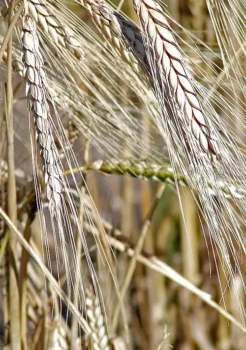
Oriental Wheat: Growing an Ancient Grain in Your Garden
Have you ever wondered what wheat looked like thousands of years ago? Meet Oriental wheat (Triticum turanicum), an ancient grain variety that’s been feeding people for millennia. While most gardeners focus on vegetables and flowers, there’s something uniquely satisfying about growing your own heritage grains – and this particular wheat offers a fascinating glimpse into agricultural history.
What is Oriental Wheat?
Oriental wheat, also known by its scientific name Triticum turanicum (and sometimes listed as Triticum orientale), is an ancient wheat variety that belongs to the grass family. This isn’t your typical backyard ornamental – it’s a working grain that can reach impressive heights and produces edible wheat berries with distinctive long awns that give it an almost wild, prehistoric appearance.
Where Does Oriental Wheat Come From?
This ancient grain calls Central Asia home, originating in the vast steppes of what we now know as Kazakhstan, Uzbekistan, and surrounding regions. It’s been cultivated for thousands of years in these harsh continental climates, which speaks to its remarkable hardiness and adaptability.
Why Grow Oriental Wheat in Your Garden?
You might be thinking, Why would I want to grow wheat in my backyard? Here are some compelling reasons:
- Educational value – it’s a living piece of agricultural history
- Unique aesthetic appeal with its tall, stately growth and distinctive awns
- Homegrown grain production for baking enthusiasts
- Excellent conversation starter in heritage or educational gardens
- Relatively low-maintenance once established
Garden Design and Landscape Role
Oriental wheat works best in specific garden settings rather than traditional ornamental landscapes. Consider it for:
- Heritage or heirloom gardens showcasing historical crops
- Educational gardens, especially those focused on agricultural history
- Homestead gardens where grain production is desired
- Large property areas where you have space for grain cultivation
Keep in mind that this is a working crop rather than a decorative plant, so it’s best suited for practical rather than purely ornamental purposes.
Growing Conditions and Care
Oriental wheat is surprisingly adaptable, thriving in USDA hardiness zones 3-8. Here’s what it needs to flourish:
Sunlight: Full sun is essential – this grain needs at least 6-8 hours of direct sunlight daily.
Soil: Well-draining soil is crucial. Oriental wheat can tolerate various soil types but struggles in waterlogged conditions.
Water: Moderate water requirements. It’s drought-tolerant once established but benefits from consistent moisture during germination and early growth.
Space: Allow adequate space as individual plants can grow quite tall and need room to develop properly.
Planting and Care Tips
Growing Oriental wheat successfully requires timing and patience:
- Plant seeds in fall or early spring, depending on your climate
- Sow seeds about 1-2 inches deep in prepared soil
- Space plantings to allow for mature plant size
- Water regularly during establishment, then reduce as plants mature
- Harvest when grains are fully mature and dry
- Store harvested grain in cool, dry conditions
Wildlife and Pollinator Benefits
As a wind-pollinated grain crop, Oriental wheat doesn’t offer significant direct benefits to pollinators like bees and butterflies. However, the grain can provide food for birds, and the plant structure may offer some habitat value for small wildlife.
Should You Grow Oriental Wheat?
Oriental wheat is an excellent choice for gardeners interested in heritage crops, agricultural history, or homegrown grain production. While it won’t replace your flower beds, it can be a rewarding addition to the right garden setting. Just remember that successful grain growing requires adequate space, proper timing, and patience – but the satisfaction of harvesting your own ancient grain makes it worthwhile for many gardeners.
If you’re looking for native alternatives that provide similar aesthetic appeal, consider native grasses indigenous to your region, which will offer better wildlife benefits and require less maintenance while supporting local ecosystems.