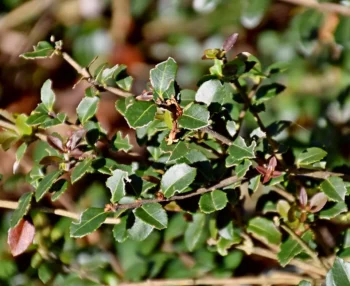
Osmanthus delavayi: A Fragrant Chinese Gem for Your Garden
If you’re searching for an evergreen shrub that delivers both beauty and heavenly fragrance, Osmanthus delavayi might just be the plant you’ve been dreaming of. This Chinese native has been quietly winning over gardeners worldwide with its glossy foliage and intoxicatingly sweet spring blooms.
What Exactly Is Osmanthus delavayi?
Osmanthus delavayi (also known by its synonym Siphonosmanthus delavayi) is an evergreen shrub that hails from the mountains of southwestern China, particularly the Yunnan and Sichuan provinces. While it doesn’t have a widely recognized common name in English, this plant has earned a reputation as one of the most fragrant members of the olive family.
Where Does It Come From?
This charming shrub is native to the temperate regions of southwestern China, where it grows naturally in mountainous woodland areas. Since it’s not native to North America, gardeners here are essentially adopting a well-behaved foreign exchange student into their landscapes.
Why Gardeners Fall Head Over Heels
The main draw of Osmanthus delavayi is undoubtedly its fragrance. In mid to late spring, the shrub produces clusters of tiny, tubular white flowers that release a scent so sweet and powerful, you’ll catch whiffs of it from across the yard. Think jasmine meets orange blossom with a hint of apricot – it’s absolutely divine.
Beyond the fragrance factor, this plant offers:
- Glossy, dark green evergreen foliage that looks good year-round
- Compact, rounded growth habit that typically reaches 4-6 feet tall and wide
- Relatively slow to moderate growth rate, meaning it won’t outgrow its space quickly
- Attractive small white flowers that pollinators adore
Perfect Spots in Your Garden
Osmanthus delavayi works beautifully in several landscape scenarios:
- Foundation plantings where you can enjoy the fragrance from indoors
- Mixed shrub borders for structure and seasonal interest
- Woodland gardens where it can provide evergreen backbone
- Near patios, walkways, or windows where the fragrance can be appreciated
- As a specimen plant in smaller gardens
Growing Conditions That Make It Happy
This Chinese beauty is surprisingly adaptable, but it does have some preferences:
- Light: Partial shade to full sun (morning sun with afternoon shade is ideal)
- Soil: Well-draining, slightly acidic to neutral soil
- Water: Consistent moisture without waterlogging
- Hardiness: USDA zones 7-9
- Protection: Shelter from harsh, drying winds
Planting and Care Made Simple
Getting your Osmanthus delavayi established is refreshingly straightforward:
- Plant in spring or fall when temperatures are moderate
- Dig a hole twice as wide as the root ball but no deeper
- Apply a 2-3 inch layer of organic mulch around the base
- Water regularly during the first growing season
- Prune lightly after flowering if needed to maintain shape
- Feed with a balanced fertilizer in early spring
The Wildlife Connection
While not native to North America, Osmanthus delavayi still provides some benefits to local wildlife. The spring flowers attract bees and other small pollinators, contributing to the overall health of your garden ecosystem. However, native plants will always provide more comprehensive support for local wildlife.
Should You Plant It?
If you’re gardening in zones 7-9 and have been searching for a fragrant, evergreen shrub that won’t take over your garden, Osmanthus delavayi is certainly worth considering. It’s well-behaved, beautiful, and that spring fragrance is truly something special.
That said, as a responsible gardener, you might also want to explore native alternatives that provide similar benefits while supporting local ecosystems. Consider native fragrant shrubs like spicebush (Lindera benzoin), native azaleas, or sweet pepperbush (Clethra alnifolia) depending on your region.
Whether you choose this Chinese charmer or a native alternative, the important thing is creating a garden that brings you joy while being mindful of your local environment. Sometimes the most rewarding gardens are those that blend thoughtfully chosen non-natives with robust native plantings – creating a space that’s both personally meaningful and ecologically beneficial.