Otholobium candicans: A Silver-Leafed Beauty for Drought-Tolerant Gardens
Looking for a unique addition to your water-wise garden? Meet Otholobium candicans, a charming South African shrub that’s been quietly winning hearts with its silvery foliage and delicate purple flowers. While you might not find this plant at your typical garden center, it’s worth getting to know this drought-loving beauty.
What’s in a Name?
Otholobium candicans goes by its botanical name most of the time, though you might occasionally see it listed under its former name, Psoralea candicans. The species name candicans refers to its distinctive white-woolly appearance – and once you see those silvery leaves, you’ll understand exactly why it earned that name!
Where Does It Come From?
This distinctive shrub hails from South Africa, specifically the Western and Eastern Cape provinces. In its native habitat, it thrives in the Mediterranean-like climate of the Cape region, dealing with hot, dry summers and mild, wet winters with remarkable resilience.
What Makes It Special?
Otholobium candicans is a real head-turner in the garden, and here’s why:
- Silvery-white woolly foliage that catches light beautifully
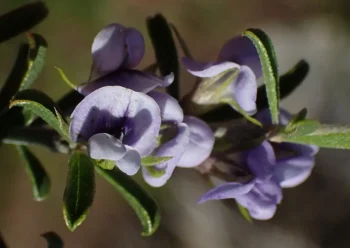
- Purple pea-like flowers that bloom in clusters
- Compact shrub form, typically reaching 2-3 feet in height and width
- Excellent drought tolerance once established
- Attracts bees and butterflies to the garden
Perfect Garden Situations
This South African native shines in specific garden styles:
- Mediterranean gardens: Pairs beautifully with lavender, rosemary, and other drought-tolerant herbs
- Xeriscape designs: Perfect for water-conscious gardening
- Rock gardens: Thrives in well-draining, gritty conditions
- Modern landscape designs: The silvery foliage provides stunning contrast
Growing Conditions and Care
Otholobium candicans is surprisingly easy to grow if you can meet its basic needs:
Climate: Best suited for USDA zones 9-11, where it can handle mild frost but prefers warmer conditions.
Sun and Soil: Give it full sun and well-draining soil. This plant absolutely hates wet feet, so good drainage is non-negotiable.
Water: Water regularly during the first growing season to help establish roots, then back off. Once established, it’s remarkably drought-tolerant and actually prefers dry conditions.
Maintenance: Light pruning after flowering helps maintain shape, but this is generally a low-maintenance plant.
Planting Tips for Success
- Plant in spring after the last frost date
- Amend heavy clay soils with sand or gravel to improve drainage
- Space plants 3-4 feet apart to allow for mature size
- Mulch lightly with gravel rather than organic mulch
- Avoid overwatering – when in doubt, err on the dry side
Wildlife and Pollinator Benefits
While Otholobium candicans isn’t native to North America, it does provide some benefits to local wildlife. The purple flowers attract bees and butterflies, adding to your garden’s pollinator support. However, since it’s not native, it won’t support native caterpillars and other specialized insects that depend on indigenous plants.
Should You Plant It?
Otholobium candicans can be a lovely addition to the right garden, especially if you’re creating a Mediterranean or drought-tolerant landscape. However, as responsible gardeners, it’s worth considering native alternatives that provide similar aesthetic appeal while supporting local ecosystems.
If you’re in a region with a Mediterranean climate, look into native options like California sagebrush (Artemisia californica) for similar silvery foliage, or native penstemon species for comparable flower appeal and superior wildlife support.
That said, if you do choose to grow Otholobium candicans, you’ll be rewarded with a unique, low-maintenance plant that adds textural interest and drought tolerance to your garden. Just remember to source it responsibly and pair it with plenty of native plants to keep your local ecosystem happy!