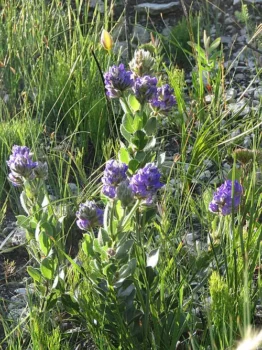
Otholobium: A South African Shrub for Water-Wise Gardens
If you’re looking for a drought-tolerant shrub that can handle California’s dry summers with grace, you might have stumbled across Otholobium. This lesser-known perennial shrub brings a touch of South African charm to American gardens, though it’s worth understanding what you’re getting into before you plant.
What Exactly Is Otholobium?
Otholobium is a multi-stemmed woody shrub that typically stays under 13-16 feet tall, making it a manageable addition to most landscapes. Originally from South Africa, this perennial has found its way into California gardens where it reproduces on its own in the wild.
The plant produces clusters of small, pea-like flowers in shades of purple to pink, set against attractive silvery-green foliage. It’s part of the legume family, which means it can actually help improve soil nitrogen levels – a nice bonus for neighboring plants.
Where Does Otholobium Grow?
In the United States, you’ll find Otholobium growing in California, where the Mediterranean-like climate suits its needs perfectly. It thrives in USDA hardiness zones 9-11, so it’s really only an option for gardeners in warmer regions.
- Species observed
- No observations
The Pros and Cons of Growing Otholobium
Why you might want it:
- Extremely drought tolerant once established
- Attracts bees and butterflies with nectar-rich flowers
- Low maintenance after the first year
- Good for erosion control on slopes
- Attractive flowers and foliage
Why you might think twice:
- It’s not native to North America
- Can self-seed and spread beyond where you plant it
- Limited cold tolerance (zones 9-11 only)
Perfect Garden Spots for Otholobium
This shrub shines in water-wise landscapes, particularly:
- Mediterranean-style gardens
- Xeriscapes and drought-tolerant plantings
- Coastal gardens where salt tolerance is helpful
- Hillside plantings for erosion control
- Mixed shrub borders in dry climates
Growing Otholobium Successfully
Planting: Fall is your best bet for planting, giving the roots time to establish before the hot summer months. Choose a spot with full sun and excellent drainage – this plant absolutely hates wet feet.
Soil needs: Well-draining soil is non-negotiable. Sandy or rocky soils work great, and the plant actually prefers lean conditions over rich, fertile ground.
Watering: Water regularly the first year to help establishment, then back off significantly. Once mature, Otholobium can handle long dry spells like a champ.
Maintenance: Light pruning after flowering helps maintain shape and can prevent excessive self-seeding. Otherwise, this is a pretty hands-off plant.
Wildlife and Pollinator Benefits
The nectar-rich flowers are genuine bee magnets, and butterflies appreciate them too. While we don’t have extensive data on other wildlife benefits in North American ecosystems, the flowers certainly add to the pollinator buffet in your garden.
Consider Native Alternatives
Since Otholobium isn’t native to North America, you might want to consider these native alternatives that offer similar benefits:
- Ceanothus species (California lilac) for drought tolerance and pollinator appeal
- Eriogonum species (wild buckwheat) for extremely dry conditions
- Salvia species native to your region for long-blooming color
The Bottom Line
Otholobium can be a valuable addition to water-wise gardens in warm climates, especially if you’re dealing with challenging, dry conditions. While it’s not native, it’s not currently flagged as problematic either. Just keep in mind that it can self-seed, so you might find volunteers popping up around your garden. Whether that’s a feature or a bug depends on your gardening philosophy and maintenance preferences!
If you do decide to grow it, you’ll have a reliable, drought-tough shrub that asks for very little once it’s settled in. And if you prefer to stick with natives, there are plenty of equally beautiful and water-wise options to explore.