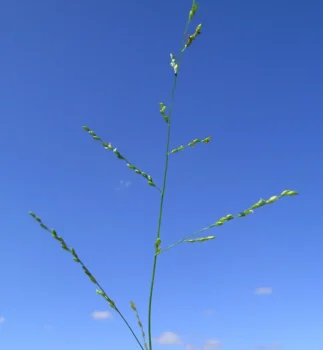
Ottochloa: The Mystery Grass Genus
If you’ve stumbled upon the name Ottochloa in your plant research, you’re likely wondering what exactly this mysterious grass is and whether it belongs in your garden. Well, you’re not alone in your curiosity – this is one of those botanical puzzles that even seasoned gardeners scratch their heads over.
What is Ottochloa?
Ottochloa is a genus of grasses belonging to the Poaceae family, making it a true grass rather than a grass-like sedge or rush. As a graminoid, it shares the characteristic grass-like growth form that many gardeners either love or love to hate, depending on their landscaping goals.
Unfortunately, when it comes to common names, Ottochloa seems to have flown under the radar. Unlike popular grasses that have earned catchy monikers, this genus remains known primarily by its scientific name – which, let’s be honest, isn’t exactly rolling off tongues at garden center conversations.
The Challenge for Gardeners
Here’s where things get a bit frustrating for us plant enthusiasts: reliable information about Ottochloa’s native range, growing requirements, and garden performance is surprisingly scarce. This lack of readily available information presents a real challenge for gardeners who like to make informed decisions about their plant choices.
Without clear data on its native status, invasive potential, or specific growing requirements, it’s difficult to provide solid recommendations about whether you should seek out and plant Ottochloa species in your landscape.
What This Means for Your Garden
Given the limited information available, here’s our honest take: Ottochloa isn’t likely to be your go-to grass for most landscaping projects. The lack of comprehensive growing guides, unclear availability, and unknown performance characteristics make it a risky choice for gardeners who want predictable results.
Better Alternatives to Consider
Instead of hunting for this elusive grass genus, consider these well-documented and widely available native grass alternatives:
- Little bluestem (Schizachyrium scoparium) for prairie-style gardens
- Buffalo grass (Poaceae dactyloides) for low-maintenance lawns
- Switch grass (Panicum virgatum) for tall, dramatic texture
- Blue grama (Bouteloua gracilis) for drought-tolerant landscaping
The Bottom Line
While botanical mysteries like Ottochloa are fascinating from a scientific standpoint, they’re not practical choices for most home gardeners. Without clear information about growing requirements, native status, or garden performance, you’re better off choosing well-documented grass species that will give you reliable, beautiful results in your landscape.
If you’re drawn to unique or unusual plants, focus your adventurous spirit on better-documented species that still offer something special – your garden (and your sanity) will thank you for it!