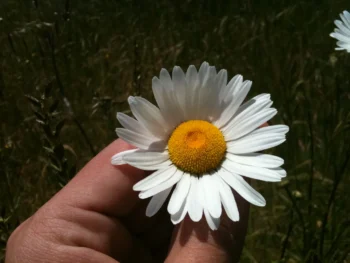
Oxeye Daisy: The Cheerful Non-Native That’s Made Itself at Home
If you’ve ever wandered through a meadow and spotted those classic white daisy flowers with sunny yellow centers bobbing in the breeze, chances are you’ve met the oxeye daisy (Leucanthemum vulgare). This perennial forb has become such a familiar sight across North America that many people assume it’s native – but it’s actually a European transplant that’s made itself quite comfortable in its new home.
What’s in a Name?
Botanically known as Leucanthemum vulgare, this cheerful flower goes by several scientific aliases, including Chrysanthemum leucanthemum. The oxeye daisy belongs to the sunflower family and is classified as a forb – essentially a non-woody plant that dies back to ground level each winter but returns reliably each spring.
Native Status and Geographic Distribution
Here’s where things get interesting: while the oxeye daisy feels like an all-American wildflower, it’s actually a non-native species that was introduced from Europe. However, it has thoroughly naturalized itself, reproducing spontaneously and persisting across virtually all of North America – from Alaska to Hawaii, and from coast to coast in the lower 48 states. You’ll find it thriving in every U.S. state, all Canadian provinces and territories, and even in St. Pierre and Miquelon.
- Species observed
- No observations
Why Gardeners Love (and Sometimes Question) Oxeye Daisy
The oxeye daisy has undeniable charm. Its classic daisy appearance – white petals radiating from a golden center – epitomizes the cottage garden aesthetic. The flowers are wonderfully long-lasting as cut flowers, and the plant blooms from summer well into fall, providing consistent color when many other perennials are winding down.
However, there’s a catch: this enthusiastic bloomer can be a bit too successful for its own good. It self-seeds readily and can spread beyond where you originally planted it, which is why some gardeners approach it with caution.
Garden Role and Landscape Design
In the right setting, oxeye daisies shine. They’re perfect for:
- Naturalized meadow areas
- Cottage garden borders
- Cut flower gardens
- Informal wildflower plantings
- Areas where you want that wild meadow look
The plants form attractive clumps about 1.3 feet tall with a moderate growth rate, making them substantial enough to hold their own in mixed plantings without overwhelming their neighbors (initially, anyway).
Pollinator and Wildlife Benefits
One of the oxeye daisy’s redeeming qualities is its appeal to pollinators. The open, accessible flower structure makes it easy for bees, butterflies, and other beneficial insects to reach the nectar and pollen. While specific wildlife benefits weren’t detailed in available data, many birds appreciate the seeds that follow the flowers.
Growing Conditions and Care
If you decide to invite oxeye daisy into your garden, you’ll find it refreshingly undemanding:
Soil preferences: Adaptable to coarse and medium-textured soils, though it doesn’t love heavy clay. It prefers slightly acidic to neutral soil (pH 5.2-7.0) with low fertility requirements.
Water needs: Once established, it has medium drought tolerance and low moisture requirements – perfect for low-maintenance areas.
Light requirements: Performs best in full sun but tolerates intermediate shade.
Hardiness: Extremely hardy, tolerating temperatures down to -28°F, making it suitable for USDA zones 3-9.
Wetland tolerance: Prefers upland conditions and almost never occurs in wetlands across most regions.
Planting and Propagation
Oxeye daisy is typically grown from seed, and with approximately 200,000 seeds per pound, a little goes a long way. The seeds don’t require cold stratification and germinate readily in spring. Plants need at least 130 frost-free days to complete their growth cycle.
Fair warning: this plant has moderate seed spread rate and medium seedling vigor, which translates to it will likely pop up in places you didn’t plant it.
Management Tips
To keep oxeye daisy from taking over:
- Deadhead spent flowers before they go to seed
- Be prepared to remove volunteer seedlings
- Consider it for areas where naturalization is welcome
- Avoid planting near sensitive native plant communities
The Native Alternative Consideration
While oxeye daisy isn’t listed as invasive, its non-native status and enthusiastic self-seeding habits might give eco-conscious gardeners pause. If you’re looking for that classic white daisy look with better native credentials, consider native alternatives like Symphyotrichum ericoides (white oldfield aster) or regional native daisies that provide similar aesthetic appeal without the colonization concerns.
The Bottom Line
Oxeye daisy is a bit like that friend who’s loads of fun but occasionally overstays their welcome. In the right garden setting – particularly informal, naturalized areas where some self-seeding is welcome – it provides reliable beauty, pollinator support, and that timeless cottage garden charm. Just go into the relationship with your eyes open about its enthusiastic nature, and you’ll likely find it a delightful addition to your landscape palette.