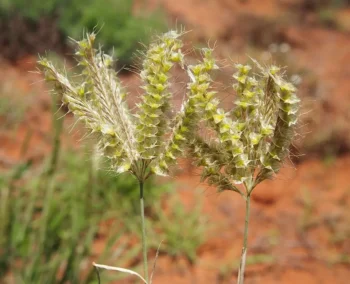
Oxychloris scariosa: A Mysterious Grass with More Questions Than Answers
If you’ve stumbled across the name Oxychloris scariosa in your plant research, you’re not alone in scratching your head. This grass species is something of an enigma in the gardening world – and for good reason. Let’s dive into what we do know about this mysterious plant and why you might want to think twice before adding it to your shopping list.
What We Know (And Don’t Know) About This Grass
Oxychloris scariosa belongs to the grass family, making it a true grass rather than a grass-like plant such as a sedge or rush. It has at least one recorded synonym: Chloris scariosa F. Muell., which suggests it may be related to the windmill grass genus. However, that’s where the clear information trail goes cold.
Here’s the honest truth: reliable information about this species is remarkably scarce. We don’t have confirmed details about its common names, native range, appearance, or growing requirements. This lack of available information raises some red flags for gardeners.
The Geographic Mystery
The geographic distribution of Oxychloris scariosa remains unknown, making it impossible to determine where this grass naturally occurs or whether it would be appropriate for your local ecosystem.
Why This Plant Isn’t Garden-Ready
Without reliable information about this species, attempting to grow Oxychloris scariosa presents several challenges:
- Unknown growing requirements: We don’t know what conditions this grass prefers
- Uncertain hardiness: USDA zones are unknown, so climate suitability is a gamble
- Questionable availability: You’re unlikely to find this plant at nurseries
- Potential identification issues: The plant you think is Oxychloris scariosa might be something else entirely
Better Alternatives for Your Garden
Instead of pursuing this botanical mystery, consider these well-documented native grass alternatives that offer known benefits to gardeners and wildlife:
- Buffalo grass (Poaceae family): Drought-tolerant and low-maintenance for appropriate regions
- Little bluestem: Beautiful fall color and excellent for prairie-style gardens
- Switchgrass: Tall, architectural presence with great wildlife value
The Bottom Line
While the scientific name Oxychloris scariosa exists in botanical literature, the extreme lack of readily available information makes this plant unsuitable for home gardening. Whether due to rarity, taxonomic uncertainty, or simply limited study, this grass remains too much of an unknown quantity to recommend.
If you’re interested in adding grasses to your landscape, stick with well-documented species that have proven track records in cultivation. Your garden (and your sanity) will thank you for choosing plants with clear growing instructions and known benefits rather than chasing botanical ghosts.
Remember: successful gardening is about choosing the right plants for your specific conditions and goals. When a plant’s basic requirements remain a mystery, it’s usually best to look elsewhere for your landscaping needs.