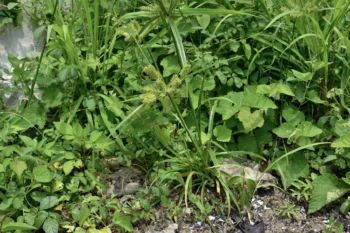
Pacific Island Flatsedge: A Humble Sedge for Wet Spots in Your Garden
If you’ve been searching for a low-maintenance plant to fill those perpetually soggy spots in your landscape, you might want to get acquainted with Pacific island flatsedge (Cyperus cyperoides). This unassuming perennial sedge won’t win any beauty contests, but it has a quiet charm and some practical benefits that make it worth considering for specific garden situations.
What Exactly Is Pacific Island Flatsedge?
Pacific island flatsedge belongs to the sedge family (Cyperaceae), making it a grass-like plant rather than a true grass. Like its sedge relatives, it’s characterized by triangular stems and narrow leaves that form clumps. This perennial produces small, brownish flower clusters that are more functional than flashy – they’re wind-pollinated, so they don’t need to attract pollinators with showy blooms.
Originally from Pacific islands including parts of Polynesia and Micronesia, this sedge has made itself at home in Hawaii, where it has naturalized and now reproduces on its own in the wild. It’s considered a non-native species that has established itself successfully in Hawaiian ecosystems.
Where Does It Grow?
In the United States, you’ll find Pacific island flatsedge growing in Hawaii, where it has adapted well to local conditions. It’s suited for USDA hardiness zones 10-11, making it a strictly tropical and subtropical plant.
- Species observed
- No observations
The Good, The Bad, and The Practical
Let’s be honest – Pacific island flatsedge isn’t going to be the star of your garden show. Its aesthetic appeal lies in its understated, naturalistic appearance rather than bold visual impact. However, what it lacks in showiness, it makes up for in practicality.
Why you might want to plant it:
- Excellent for consistently wet or boggy areas where other plants struggle
- Low maintenance once established
- Forms neat clumps that work well as ground cover
- Thrives in challenging wet conditions
- Adds texture and naturalistic appeal to rain gardens and pond margins
Why you might want to skip it:
- Very limited ornamental value
- Offers minimal benefits to pollinators (wind-pollinated)
- Non-native status may not align with native gardening goals
- Can only survive in very warm climates
Growing Pacific Island Flatsedge Successfully
If you’ve decided this humble sedge fits your needs, you’ll be pleased to know it’s relatively easy to grow in the right conditions. The key word here is wet – this plant has facultative wetland status in Hawaii, meaning it can handle both wetland and non-wetland conditions, but it clearly prefers consistent moisture.
Growing conditions:
- Soil: Moist to wet soils; tolerates poor drainage
- Light: Full sun to partial shade
- Water: Consistent moisture is essential
- Climate: Tropical to subtropical only (zones 10-11)
Planting and care tips:
- Plant in spring when temperatures are consistently warm
- Space plants according to desired coverage – they’ll form clumps over time
- Water regularly until established, then nature often takes over in wet locations
- Minimal fertilization needed – sedges are generally not heavy feeders
- Remove dead foliage as needed to keep plants tidy
Best Uses in the Landscape
Pacific island flatsedge shines in specific garden situations where its water-loving nature is an asset rather than a liability. Consider it for rain gardens, bioswales, pond margins, or any consistently moist area where you need reliable ground cover. It works particularly well in naturalistic or informal landscape designs where a more relaxed, wild appearance is desired.
A Word About Native Alternatives
While Pacific island flatsedge can serve a practical purpose in wet areas, gardeners interested in supporting local ecosystems might want to explore native sedge alternatives. Native plants typically provide better wildlife habitat and integrate more seamlessly with local ecological systems. Consider researching native Hawaiian sedges or other indigenous wetland plants that might serve similar functions while supporting local wildlife.
The Bottom Line
Pacific island flatsedge is a practical, if unspectacular, choice for gardeners dealing with persistently wet areas in tropical and subtropical climates. While it won’t provide the pollinator benefits or ecosystem support of native alternatives, it can solve specific landscaping challenges with minimal fuss. If you need reliable ground cover for wet spots and don’t mind its modest appearance, this naturalized sedge might just be the unpretentious solution you’re looking for.