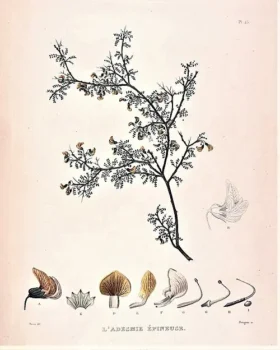
Pahuen (Adesmia microphylla): A Little-Known South American Native
If you’re an adventurous gardener who loves discovering uncommon native plants, you might have stumbled across the name pahuen, or Adesmia microphylla. Also known as palhuen varilla, this South American native is one of those intriguing plants that doesn’t get much spotlight in mainstream gardening circles—and there’s a good reason for that.
What is Pahuen?
Pahuen belongs to the Adesmia genus, a group of plants native to South America. The name microphylla gives us a clue about one of its characteristics—it means small leaves, suggesting this plant features delicate, tiny foliage. Beyond this botanical hint, detailed information about this specific species is surprisingly scarce in readily available gardening resources.
Where Does Pahuen Come From?
Based on the limited information available, Adesmia microphylla appears to be native to regions of South America, particularly areas of Chile and Argentina. Like many plants in the Adesmia genus, it’s likely adapted to the unique climatic conditions of these regions.
Should You Grow Pahuen in Your Garden?
Here’s where things get a bit tricky. While pahuen might sound like an exciting addition to your native plant collection, the lack of detailed growing information, care requirements, and availability makes it a challenging choice for most gardeners. Here are some considerations:
- Very limited cultivation information available
- Unclear adaptability to North American growing conditions
- Difficult to source from reputable nurseries
- Unknown hardiness zones and growing requirements
What We Don’t Know
Unfortunately, many details that would help you successfully grow pahuen remain mysteries. We don’t have clear information about:
- Specific soil preferences
- Water requirements
- Mature size and growth habit
- USDA hardiness zones
- Pollinator relationships
- Propagation methods
- Potential landscape uses
Better Alternatives for Your Garden
If you’re interested in supporting native ecosystems and pollinators, consider focusing on well-documented native plants that are suited to your specific region. Your local native plant society or extension office can recommend species that will thrive in your area and provide known benefits to local wildlife.
While pahuen might be an interesting botanical curiosity, successful gardening often relies on choosing plants with proven track records and available cultivation information. Sometimes the most responsible choice is to admire a plant from afar while supporting your local ecosystem with well-understood native alternatives.
The Bottom Line
Adesmia microphylla remains somewhat of an enigma in the gardening world. While its South American origins and small-leaved nature give us hints about its character, the lack of detailed growing information makes it an impractical choice for most home gardeners. If you’re passionate about native plants, you’ll find much more success and satisfaction with locally native species that have established cultivation guidelines and proven garden performance.