Pale Rush: A Water-Loving Plant for Specialized Garden Spaces
Meet the pale rush (Juncus pallidus), a tall, grass-like perennial that’s making waves in wetland gardens and specialized water features. Also known as giant rush, this distinctive plant brings a unique architectural element to soggy spots where many other plants fear to tread. But before you dive in, let’s explore what makes this rush tick and whether it’s the right fit for your garden.
Getting to Know Pale Rush
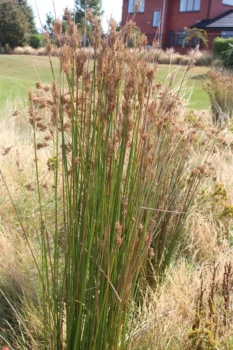
Pale rush is a perennial member of the rush family (Juncaceae), characterized by its tall, slender, cylindrical green stems that grow in dense, fountain-like clumps. Don’t let the name fool you – while called pale rush, the stems are actually a vibrant green color. This grass-like plant originally hails from Australia and New Zealand, making it a non-native species in the United States.
Where You’ll Find It Growing
In the United States, pale rush has established itself primarily in Georgia, where it reproduces naturally without human intervention. This introduced species has found a comfortable niche in wetland environments across the southeastern region.
- Species observed
- No observations
The Wetland Connection
Here’s where things get interesting – pale rush has different wetland preferences depending on where it’s growing:
- In the Atlantic and Gulf Coastal Plain: It’s considered a Facultative Wetland plant, meaning it usually hangs out in wetlands but can tolerate drier conditions
- In the Eastern Mountains and Piedmont: It’s classified as an Obligate Wetland plant, almost always requiring consistently wet conditions
Garden Appeal and Design Role
Let’s be honest – pale rush isn’t going to win any beauty contests. Its appeal lies in function rather than flashy flowers or colorful foliage. The tall, reed-like stems create striking vertical lines and can add textural interest to water gardens, bog gardens, and rain gardens. It’s particularly useful for:
- Erosion control along pond edges or stream banks
- Naturalized wetland restoration projects
- Creating privacy screens in constantly wet areas
- Adding height and structure to bog gardens
Growing Conditions and Care
If you’re considering pale rush for your garden, here’s what it needs to thrive:
Light: Full sun to partial shade – it’s pretty adaptable when it comes to lighting conditions.
Soil: Constantly moist to wet soils are essential. This plant loves poor drainage and can handle areas that stay soggy year-round.
Climate: Hardy in USDA zones 8-10, making it suitable for warmer southern climates.
Maintenance: Once established, pale rush is remarkably low-maintenance. It’s drought-intolerant, so consistent moisture is non-negotiable, but otherwise, it pretty much takes care of itself.
Planting Tips
Plant pale rush in spring when the soil is workable but still consistently moist. Space plants according to how dense you want the coverage – they’ll spread naturally over time. The key to success is never letting the soil dry out, especially during the establishment period.
Should You Plant Pale Rush?
Here’s the scoop: while pale rush isn’t invasive or problematic, it’s also not native to North America. If you’re looking to support local ecosystems and wildlife, consider these native alternatives instead:
- Soft rush (Juncus effusus) – offers similar height and wetland benefits
- Common rush (Juncus tenuis) – more compact but equally useful
- Blue flag iris (Iris versicolor) – adds beautiful blooms to wet areas
- Cardinal flower (Lobelia cardinalis) – attracts hummingbirds and butterflies
The Bottom Line
Pale rush fills a specific niche for gardeners dealing with chronically wet, difficult-to-plant areas. While it won’t win points for supporting native wildlife or pollinators (rushes are wind-pollinated), it does provide reliable greenery and erosion control where few other plants will grow. If you choose to plant it, you’ll get a dependable, low-maintenance addition to your wetland garden – just remember that supporting native species is usually the more ecologically friendly choice.
Whether you go with pale rush or opt for native alternatives, the important thing is finding plants that work with your garden’s unique conditions rather than fighting against them. After all, the best garden is one that works in harmony with nature – even if that nature happens to be a permanently soggy corner of your yard!