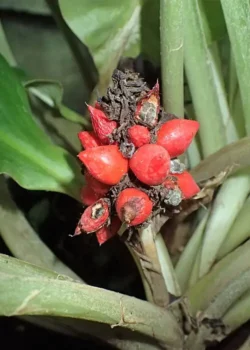
Palisota: A Tropical Groundcover with African Roots
If you’ve ever wandered through Hawaii’s lush landscapes and spotted a leafy groundcover with delicate clusters of small flowers, you might have encountered palisota (Palisota bracteosa). This tropical perennial has made itself at home in the Hawaiian islands, though its story begins far from the Pacific.
What Exactly Is Palisota?
Palisota bracteosa is what botanists call a forb – basically a non-woody plant that stays relatively low to the ground. Think of it as the plant world’s equivalent of a reliable supporting actor: not flashy, but it knows its role and performs it well. As a perennial, it comes back year after year, slowly spreading to form attractive groundcover patches.
Where Does It Come From?
Originally hailing from the tropical regions of West and Central Africa, palisota has traveled quite a distance to establish itself in Hawaii. It’s what we call a non-native species that has naturalized – meaning it reproduces on its own in the wild without any help from gardeners. Currently, you’ll find it growing throughout the Hawaiian islands.
- Species observed
- No observations
The Appeal Factor
Palisota won’t win any showiest flower contests, but it has a quiet charm that works well in tropical gardens. Its broad, green leaves create a lush carpet effect, while small clusters of white to pale pink flowers add subtle interest throughout the growing season. It’s the kind of plant that makes other, more dramatic plants look even better by providing a calm, green backdrop.
Garden Role and Landscape Fit
This plant excels as:
- Groundcover in shaded or partially shaded areas
- Understory planting beneath taller shrubs and trees
- Container plant for covered patios or indoor growing
- Tropical and subtropical garden element
Palisota works best in gardens that embrace a lush, tropical aesthetic. It’s particularly useful for filling in those tricky spots where grass struggles and other groundcovers fail to thrive.
Growing Conditions and Care
If you’re considering adding palisota to your garden, here’s what it needs to thrive:
Climate Requirements: This is strictly a warm-weather plant, suitable for USDA hardiness zones 10-12. If you live anywhere that experiences frost, you’ll need to grow it in containers that can be moved indoors during cold months.
Light Preferences: Palisota prefers partial shade to full shade. Direct sunlight can scorch its leaves, so think dappled sunlight under trees or the north side of structures.
Water and Soil Needs: Consistent moisture is key, but soggy soil is a no-go. Well-draining soil that stays evenly moist works best. In Hawaii, its wetland status is Facultative Upland, meaning it usually grows in non-wetland areas but can tolerate some wetness.
Maintenance: This is refreshingly low-maintenance once established. Regular watering during dry periods and occasional feeding during the growing season will keep it happy.
Wildlife and Pollinator Considerations
While palisota’s small flowers may attract some minor pollinators, it’s not considered a significant pollinator plant. Its primary ecological role seems to be providing ground cover and potentially some habitat for small creatures in its native range.
Should You Plant It?
Here’s the thing about palisota – it’s not problematic, but it’s also not native to most places where people might want to grow it. If you’re in Hawaii and looking for groundcover, it can certainly do the job. However, if you’re passionate about supporting local ecosystems, consider exploring native alternatives first.
For Hawaiian gardeners, native options like:
- Native sedges (Carex species)
- Indigenous ferns
- Native ground-hugging plants
These alternatives can provide similar groundcover benefits while supporting local wildlife and maintaining the ecological integrity of your area.
The Bottom Line
Palisota bracteosa is a reliable, if unspectacular, tropical groundcover that can fill a specific niche in warm-climate gardens. It’s not going to take over your garden or cause ecological havoc, but it’s also not going to provide the same benefits as native plants. If you already have it growing and it’s working for your space, there’s no urgent need to remove it. But if you’re starting fresh, consider giving native plants the first opportunity to shine in your landscape.
Sometimes the most interesting plants are the ones with the most complex stories – and palisota, with its African origins and Hawaiian adoption, certainly has an interesting tale to tell in the ever-evolving story of our global gardens.