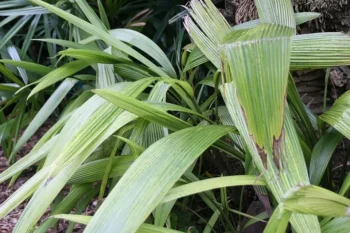
Palm-Grass: A Tropical Ground Cover with Distinctive Pleated Leaves
If you’re looking to add some tropical flair to your garden, you might have encountered palm-grass (Curculigo capitulata). This intriguing perennial brings an exotic touch to landscapes with its distinctive fan-like foliage, though there are some important considerations before adding it to your garden.
What is Palm-Grass?
Palm-grass, scientifically known as Curculigo capitulata, is a unique perennial forb that creates dramatic visual interest with its broad, pleated leaves. Despite its common name suggesting a grass-like appearance, it’s actually a vascular plant without significant woody tissue that grows from underground stems. You might also see it listed under its botanical synonym, Molineria capitulata.
Where Does Palm-Grass Come From?
Originally native to tropical regions of Asia, including parts of China, India, and Southeast Asia, palm-grass has found its way to warmer parts of North America. Currently, you’ll find established populations in Florida and Puerto Rico, where it has naturalized and reproduces on its own in the wild.
- Species observed
- No observations
The Appeal of Palm-Grass
What makes palm-grass stand out in the garden is its distinctive foliage. The broad, pleated leaves emerge directly from the ground in an attractive fan-like arrangement, creating instant tropical ambiance. During flowering season, it produces small yellow blooms on short spikes, adding a subtle splash of color to the dramatic foliage display.
Garden Role and Design Potential
Palm-grass works wonderfully as:
- A textural ground cover in shaded areas
- An accent plant in tropical garden designs
- Border plantings along walkways or garden edges
- Container plants for patios and indoor spaces
Its relatively compact growth habit makes it suitable for smaller gardens, while its tropical appearance helps create lush, exotic garden rooms.
Growing Conditions and Care
Palm-grass thrives in USDA hardiness zones 9b through 11, making it suitable for year-round outdoor cultivation in the warmest parts of the United States. In cooler areas, it makes an excellent houseplant or can be grown in containers that are moved indoors during winter.
For successful cultivation, provide:
- Light: Partial shade to full shade – direct sunlight can scorch the leaves
- Soil: Rich, organic, well-draining soil that retains some moisture
- Water: Consistent moisture without waterlogging
- Humidity: High humidity levels for best growth
- Temperature: Warm temperatures year-round
The plant’s wetland status indicates it prefers upland conditions and rarely occurs in wetland environments, so avoid overly wet planting sites.
Should You Grow Palm-Grass?
While palm-grass can be an attractive addition to appropriate gardens, it’s important to remember that this is a non-native species that has established itself in the wild. Although its invasive status isn’t clearly documented, responsible gardening practices suggest considering native alternatives first.
If you’re drawn to the tropical look of palm-grass, consider these native alternatives that provide similar aesthetic appeal:
- Wild ginger species for tropical foliage effects
- Native sedges for grass-like textures
- Indigenous ferns for lush ground cover
Planting and Care Tips
If you decide to grow palm-grass, here are some key care guidelines:
Planting: Choose a location with morning sun and afternoon shade. Amend the soil with compost or other organic matter to improve drainage while retaining moisture.
Watering: Keep soil consistently moist but not soggy. During hot weather, you may need to water more frequently.
Fertilizing: Apply a balanced, slow-release fertilizer during the growing season to promote healthy foliage.
Maintenance: Remove any damaged or yellowing leaves to keep the plant looking its best. In cooler zones, protect from frost or bring containers indoors.
Wildlife and Pollinator Value
While specific wildlife benefits aren’t well-documented for palm-grass, its small flowers may provide nectar for some local pollinators. However, native plants typically offer far superior wildlife value and support local ecosystems more effectively.
The Bottom Line
Palm-grass can be an attractive option for gardeners seeking tropical aesthetics in appropriate climates. However, as a non-native species, it’s worth exploring native alternatives first to support local wildlife and maintain ecological balance. If you choose to grow palm-grass, do so responsibly by preventing its spread beyond your garden boundaries and consider it as part of a diverse landscape that prioritizes native species.