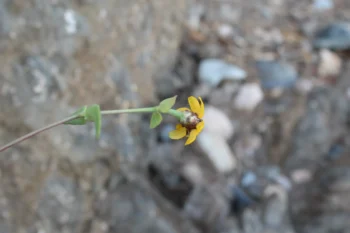
Palmer’s Zinnia: A Coastal Beauty with a Wandering Spirit
Meet Palmer’s zinnia (Zinnia maritima), a cheerful little annual that’s made itself quite at home in Hawaii’s tropical landscape. While this sunny flowering plant might catch your eye with its bright blooms, there’s more to this coastal wanderer than meets the eye.
What Is Palmer’s Zinnia?
Palmer’s zinnia is a forb – basically a fancy botanical term for a non-woody flowering plant that dies back each year. As an annual, it completes its entire life cycle in just one growing season, but don’t let that fool you into thinking it’s a wallflower. This little plant has quite the adventurous spirit!
Originally hailing from the coastal regions of Mexico and Central America, Palmer’s zinnia has island-hopped its way to Hawaii, where it now grows wild and reproduces without any human help. It’s what botanists call a naturalized species – essentially a plant immigrant that’s settled in and made itself comfortable in its new home.
Where You’ll Find Palmer’s Zinnia
Currently, Palmer’s zinnia has established itself in Hawaii, where it thrives in the tropical climate. This geographic distribution reflects its love for warm, coastal conditions.
- Species observed
- No observations
Should You Plant Palmer’s Zinnia?
Here’s where things get interesting. While Palmer’s zinnia isn’t officially listed as invasive or noxious, its ability to naturalize and spread on its own means you should think carefully before adding it to your garden. Since it’s not native to North American ecosystems, it won’t provide the same ecological benefits as indigenous plants.
Reasons you might want to grow it:
- Attractive small, daisy-like flowers in cheerful yellows and oranges
- Excellent salt tolerance makes it perfect for coastal gardens
- Attracts pollinators like bees and butterflies
- Low-maintenance and drought tolerant once established
- Works well as ground cover or border plant
Reasons to consider alternatives:
- Non-native species that may compete with local flora
- Limited ecological benefits compared to native plants
- Potential to spread beyond intended garden areas
Native Alternatives to Consider
If you’re looking for that cheerful, low-maintenance flower power, consider exploring native options in your region instead. Native plants support local wildlife, require less water and care once established, and help preserve the unique character of your local ecosystem.
Growing Palmer’s Zinnia Successfully
If you do decide to grow Palmer’s zinnia, here’s what you need to know:
Growing Conditions:
- Full sun exposure (6+ hours daily)
- Well-draining soil – this plant hates wet feet
- USDA hardiness zones 9-11
- Excellent salt tolerance for coastal locations
Planting and Care Tips:
- Plant after the last frost date in spring
- Space plants appropriately to allow for air circulation
- Water regularly during establishment, then reduce frequency
- Deadhead spent flowers to encourage continued blooming
- No fertilizer needed in most soils
The Bottom Line
Palmer’s zinnia is undeniably attractive and easy to grow, especially if you’re dealing with challenging coastal conditions. However, its non-native status means it’s worth exploring native alternatives first. If you do choose to grow it, be mindful of its spreading potential and consider containing it to prevent unintended naturalization in your local area.
Remember, the best gardens work with nature, not against it. Whether you choose Palmer’s zinnia or a native alternative, the goal is creating a beautiful space that supports both your aesthetic desires and the local ecosystem.