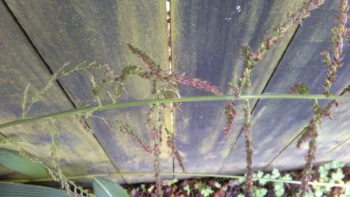
Palmgrass: A Tropical Beauty for Warm Climate Gardens
If you’ve ever dreamed of adding a touch of tropical elegance to your garden, palmgrass (Setaria palmifolia) might just catch your eye. This distinctive perennial grass brings an exotic flair with its broad, palm-like leaves that create a lush, jungle-inspired atmosphere wherever it grows.
What is Palmgrass?
Palmgrass is a perennial grass that stands out from typical lawn grasses with its dramatically different appearance. Also known by its botanical name Setaria palmifolia (formerly Panicum palmifolium), this grass belongs to the same family as many common grasses but looks more like a small palm or tropical plant than what most people picture when they think grass.
Where Does Palmgrass Come From?
Originally native to Southeast Asia, particularly Malaysia and Indonesia, palmgrass has found its way to various tropical and subtropical regions around the world. In the United States, you’ll primarily find it established in Hawaii, where it has naturalized and reproduces on its own in the wild.
- Species observed
- No observations
Should You Plant Palmgrass in Your Garden?
The decision to plant palmgrass comes with both benefits and considerations. Since it’s not native to the continental United States and has naturalized in Hawaii, it’s worth weighing your options carefully.
The Appeal
- Creates instant tropical ambiance with its broad, arching leaves
- Works beautifully as a specimen plant or in Asian-inspired garden designs
- Thrives in both containers and landscape beds
- Adds texture and movement to garden spaces
Things to Consider
As a non-native species, palmgrass doesn’t provide the same ecological benefits as indigenous plants. While it’s not currently listed as invasive, it’s always worth considering native alternatives that support local wildlife and ecosystems.
Native Alternatives to Consider
If you’re in zones 9-11 and want that tropical grass look, consider exploring native sedges, rushes, or regional grass species that can provide similar aesthetic appeal while supporting local wildlife. Your local native plant society can help you identify beautiful alternatives that are naturally suited to your specific area.
Growing Palmgrass Successfully
Climate Requirements
Palmgrass is suited for USDA hardiness zones 9-11, making it perfect for warm, subtropical to tropical climates. It loves high humidity and consistent warmth, so it’s not suitable for areas that experience freezing temperatures.
Light and Soil Needs
This adaptable grass performs well in partial shade to full sun conditions. It prefers moist, well-draining soil and can handle both wetland and upland conditions thanks to its facultative wetland status. This flexibility makes it relatively easy to place in various garden settings.
Planting and Care Tips
- Plant in spring after the last frost danger has passed
- Space plants 3-4 feet apart to allow for mature spread
- Water regularly, keeping soil consistently moist but not waterlogged
- Apply a balanced fertilizer monthly during the growing season
- Protect from strong winds, which can damage the broad leaves
- Remove any damaged or brown leaves to maintain appearance
Design Ideas and Landscape Use
Palmgrass shines in tropical and subtropical garden designs. Use it as a focal point in container gardens, group several plants for dramatic impact, or incorporate it into Asian-inspired landscapes. Its unique texture pairs beautifully with other tropical plants like gingers, heliconias, or broad-leafed hostas in shaded areas.
Wildlife and Pollinator Value
As a wind-pollinated grass, palmgrass offers limited direct benefits to pollinators compared to flowering native plants. However, it can provide some shelter and nesting material for small wildlife in appropriate climates.
The Bottom Line
Palmgrass can be a stunning addition to warm climate gardens where you want to create tropical ambiance. While it’s not native to the mainland United States, it’s not currently considered problematic either. If you choose to grow it, plant responsibly and consider balancing your landscape with native species that support local ecosystems. With proper care in the right climate, palmgrass can be a low-maintenance way to bring that vacation-in-paradise feeling right to your backyard.