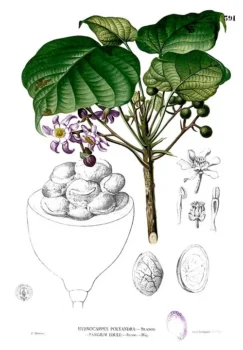
Pangium: The Mysterious Tropical Tree You’ve Probably Never Heard Of
If you’re scratching your head wondering what exactly a Pangium is, you’re not alone! This lesser-known tropical tree genus might not be a household name, but it’s certainly worth learning about, especially if you’re passionate about unique tropical plants or live in a warm climate where exotic specimens can thrive.
What Exactly Is Pangium?
Pangium is a genus of tropical trees that most gardeners will never encounter in their local nursery. These impressive specimens are characterized by their substantial size and broad, tropical foliage that creates a distinctly jungle-like atmosphere wherever they’re planted.
Where Does Pangium Come From?
Here’s where things get interesting (and a bit complicated). Pangium has a somewhat undefined native status in the Pacific Basin, excluding Hawaii. Currently, it’s documented as growing in Palau, those beautiful tropical islands in the western Pacific Ocean. So unless you happen to be gardening in Palau or a similar tropical Pacific location, you’re dealing with a plant that’s quite far from its natural home.
- Species observed
- No observations
Should You Plant Pangium in Your Garden?
The honest answer? It depends entirely on where you live and what you’re trying to achieve in your landscape. Here are some key considerations:
The Reality Check
- Climate Requirements: Pangium trees need consistently warm, tropical conditions (USDA zones 10-12) with high humidity
- Space Requirements: These are large trees that need substantial space to reach their full potential
- Availability: You’re unlikely to find Pangium at your local garden center
Growing Conditions
If you’re determined to grow Pangium and have the right climate, here’s what these trees prefer:
- Consistently warm temperatures year-round
- High humidity levels
- Well-draining soil that retains some moisture
- Protection from strong winds
- Partial to full sun exposure
Landscape Role and Design Potential
In the right setting, Pangium can serve as an impressive specimen tree in large tropical gardens or botanical collections. Their broad leaves and substantial presence make them excellent focal points in spacious landscapes where you want to create that authentic tropical jungle feel.
Best Suited For:
- Large tropical or subtropical gardens
- Botanical gardens and arboretums
- Estate properties with ample space
- Collectors of rare tropical specimens
Planting and Care Tips
If you’re in the right climate and have decided to pursue growing Pangium, here are some general care guidelines:
- Plant in well-draining soil enriched with organic matter
- Maintain consistent moisture without waterlogging
- Provide protection from strong winds, especially when young
- Allow plenty of space for mature size
- Consider the long-term commitment – these are substantial trees
The Bottom Line
Pangium is undeniably fascinating for tropical plant enthusiasts, but it’s not a practical choice for most gardeners. If you live outside of tropical zones 10-12, your energy might be better invested in native alternatives that will thrive in your local conditions and support your regional ecosystem.
For those in appropriate climates who aren’t set on Pangium specifically, consider exploring native tropical trees in your area that offer similar aesthetic appeal while supporting local wildlife and requiring less specialized care. Your local native plant society or extension office can point you toward spectacular native alternatives that will be much easier to source, grow, and maintain successfully.
Remember, the most rewarding gardens often feature plants that are naturally suited to their location – and for most of us, that means Pangium will remain an interesting footnote rather than a centerpiece in our landscape dreams!