Panic Liverseed Grass: A Noxious Weed You Don’t Want in Your Garden
If you’ve stumbled across the name panic liverseed grass while researching plants for your garden, we need to have a quick chat. This isn’t your typical should I plant this? conversation – it’s more of a please don’t plant this situation. Let me explain why this particular grass deserves a spot on your garden’s no-fly list.
What Exactly Is Panic Liverseed Grass?
Panic liverseed grass (Urochloa panicoides) is an annual grass that falls into the category of graminoids – basically the fancy term for grass and grass-like plants. But here’s the thing: this isn’t a native species doing its part in the local ecosystem. It’s an introduced plant that’s made itself quite comfortable in areas where it doesn’t belong.
This grass is officially classified as a noxious weed in the United States, which is essentially nature’s way of putting up a WANTED poster. It reproduces on its own in the wild and has a knack for sticking around where it’s not invited.
Where You’ll Find This Unwelcome Guest
Currently, panic liverseed grass has established populations in Arizona, Maryland, New Mexico, and Texas. It’s one of those plants that seems to enjoy the set it and forget it lifestyle – once it arrives, it tends to make itself at home without much fuss.
- Species observed
- No observations
The Aesthetic Appeal (Spoiler Alert: There Isn’t Much)
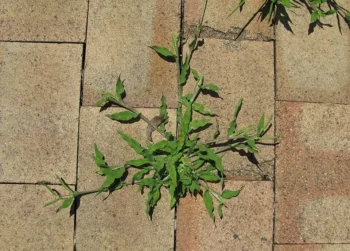
Let’s be honest about the elephant in the room – panic liverseed grass isn’t going to win any beauty contests. It has the general appearance of, well, a weedy grass. Think loose, somewhat scraggly growth that screams I probably don’t belong here rather than Please feature me in your landscape design magazine.
Growing Conditions (That You Should Know to Avoid)
Understanding where this grass thrives can help you spot it and prevent its spread. Panic liverseed grass has a wetland status of Facultative Upland across multiple regions, which means:
- It usually prefers non-wetland areas
- It can occasionally pop up in wetland environments
- It’s adaptable to various moisture conditions
This adaptability is part of what makes it such a successful (and problematic) colonizer of new areas.
Why This Grass Gets a Hard No from Gardeners
Here’s where we get serious for a moment. There are several compelling reasons to steer clear of panic liverseed grass:
- Noxious weed status: It’s officially recognized as harmful to agriculture, ecosystems, or human health
- Invasive tendencies: It reproduces and spreads without human help
- Limited ecological value: It doesn’t provide significant benefits to native wildlife or pollinators
- Displacement of natives: It can crowd out plants that actually belong in the ecosystem
Better Alternatives for Your Garden
Instead of risking the introduction of this noxious species, consider these approaches:
- Choose native grasses that naturally occur in your region
- Consult with local native plant societies for recommendations
- Visit native plant nurseries to explore appropriate alternatives
- Contact your local extension office for region-specific advice
What to Do If You Spot It
If you suspect you’ve found panic liverseed grass on your property, the best course of action is removal and prevention of spread. Since it’s an annual, preventing seed production is key to long-term management.
Consider reaching out to your local agricultural extension office or invasive species coordinator – they often have specific guidance for dealing with noxious weeds in your area.
The Bottom Line
Sometimes the best gardening advice is knowing what NOT to plant. Panic liverseed grass falls squarely in that category. With its noxious status and tendency to establish where it doesn’t belong, this is one plant that’s better left out of our gardens and landscapes entirely.
Your local ecosystem (and your neighbors) will thank you for choosing native alternatives that support wildlife, look beautiful, and belong in your corner of the world. After all, the best gardens work with nature, not against it.