Panicled Hydrangea: A Showy Summer Bloomer for Your Garden
Looking for a reliable shrub that delivers spectacular summer blooms? Meet the panicled hydrangea (Hydrangea paniculata), a perennial favorite that’s been winning over gardeners with its impressive flower displays and easy-going nature. While this beauty isn’t native to North America, it’s become a well-established resident in many regions, offering gardeners a dependable option for creating stunning landscape focal points.
What Makes Panicled Hydrangea Special
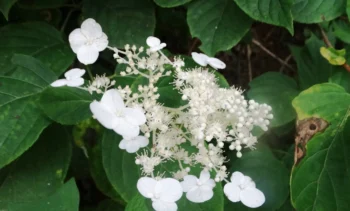
This multi-stemmed woody shrub typically reaches 13-16 feet in height, though it usually stays more manageable in most garden settings. What really sets it apart are those magnificent cone-shaped flower clusters – called panicles – that burst into bloom during mid to late summer. These showy white blooms often transition to lovely pink or burgundy tones as the season progresses, giving you a color show that lasts for months.
Native Status and Geographic Distribution
Originally from East Asia (China, Japan, Korea, and Russia), panicled hydrangea is considered a non-native species in North America. However, it has naturalized and now reproduces spontaneously in the wild across several regions. You’ll find established populations throughout Ontario in Canada, and in the following U.S. states: Connecticut, District of Columbia, Maine, Massachusetts, New Hampshire, New Jersey, New York, North Carolina, Pennsylvania, Rhode Island, Virginia, and West Virginia.
- Species observed
- No observations
Garden Role and Landscape Uses
Panicled hydrangea excels as:
- A stunning specimen plant that commands attention
- Foundation plantings that add structure and seasonal interest
- Mixed border components alongside perennials and other shrubs
- Informal hedge material for privacy screening
- Woodland edge plantings where it can naturalize gracefully
This versatile shrub works beautifully in traditional gardens, cottage-style landscapes, and mixed shrub borders where its summer blooms can steal the show.
Growing Conditions and Care Requirements
One of the reasons gardeners love panicled hydrangea is its adaptability. Here’s what it needs to thrive:
Light Requirements: Full sun to partial shade (at least 4-6 hours of direct sunlight for best blooming)
Soil Preferences: Well-drained soil of various types – it’s not particularly fussy about pH or soil composition
Water Needs: Moderate moisture; established plants are fairly drought tolerant, but consistent watering produces the best blooms
USDA Hardiness Zones: 3-8, making it suitable for a wide range of climates
Planting and Care Tips
Getting your panicled hydrangea off to a great start is straightforward:
- Timing: Plant in spring or fall when temperatures are moderate
- Spacing: Allow plenty of room – these shrubs can spread as wide as they are tall
- First Year Care: Water regularly to establish a strong root system
- Annual Pruning: Prune in late winter or early spring before new growth begins to maintain shape and encourage abundant blooms
- Fertilizing: A balanced, slow-release fertilizer in early spring supports healthy growth
Environmental Benefits
While not native, panicled hydrangea does offer some ecological value. Its nectar-rich flowers attract bees, butterflies, and other beneficial pollinators during the summer months when blooms can be scarce. The shrub has a facultative wetland status, meaning it can adapt to both wetland and upland conditions, making it useful for transitional areas in your landscape.
Consider Native Alternatives
If you’re interested in supporting local ecosystems with native plants, consider these alternatives that offer similar landscape impact:
- Elderberry (Sambucus canadensis) for white summer blooms and wildlife benefits
- Ninebark (Physocarpus opulifolius) for showy flower clusters and attractive bark
- Native azaleas (Rhododendron species) for spectacular spring blooms
- Spicebush (Lindera benzoin) for fall color and wildlife habitat
The Bottom Line
Panicled hydrangea offers reliable beauty with relatively low maintenance requirements. While it’s not native to North America, it’s not considered invasive either, making it a reasonable choice for gardeners who appreciate its spectacular summer display. Whether you choose this showstopper or opt for a native alternative, you’ll be adding valuable structure and seasonal interest to your landscape. Just remember to give it room to shine – those magnificent blooms deserve center stage!