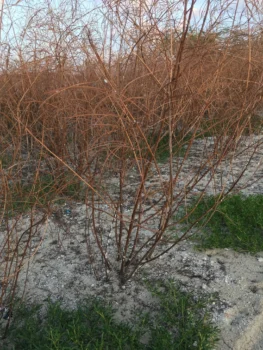
Papagayo: A Tropical Beauty for Warm Climate Gardens
Meet papagayo (Sesbania sericea), a charming perennial herb that’s making waves in warm climate gardens across the southern United States. With its cheerful yellow flowers and graceful compound leaves, this tropical beauty offers gardeners an easy-to-grow option for adding color and texture to their landscapes.
What Is Papagayo?
Papagayo is a perennial forb herb, meaning it’s a non-woody plant that comes back year after year. Unlike shrubs or trees, it lacks significant woody tissue and instead relies on its root system to survive from season to season. This makes it a perfect choice for gardeners who want the reliability of a perennial without the commitment of permanent woody plants.
Where Does Papagayo Come From?
Originally from tropical regions of the Americas, papagayo is considered a non-native species in the United States. However, it has naturalized and now grows wild in several warm regions, including Florida, Texas, Puerto Rico, and the U.S. Virgin Islands. While it reproduces on its own in these areas, it’s not currently listed as invasive or noxious.
- Species observed
- No observations
Why Consider Papagayo for Your Garden?
Papagayo brings several appealing qualities to the garden:
- Bright yellow, pea-like flowers that bloom in attractive clusters
- Elegant pinnately compound leaves that add fine texture
- Low maintenance once established
- Attracts bees and other beneficial pollinators
- Tolerates wet conditions and even occasional flooding
- Self-seeds readily for natural garden expansion
Perfect Garden Settings
This versatile plant works beautifully in several garden styles:
- Tropical and subtropical gardens
- Rain gardens and wetland areas
- Naturalized meadow plantings
- Pollinator gardens
- Low-maintenance landscape borders
Growing Conditions and Care
Papagayo is refreshingly easy to please when it comes to growing conditions:
- Sunlight: Full sun for best flowering
- Soil: Prefers moist to wet soils but adapts to various conditions
- Water: Thrives with consistent moisture; tolerates flooding
- Climate: Best suited for USDA hardiness zones 9-11
- Wetland status: Can grow in both wetland and non-wetland conditions
Planting and Care Tips
Getting started with papagayo is straightforward:
- Sow seeds directly in the garden after the last frost
- Seeds germinate easily with consistent moisture
- Space plants adequately as they can self-seed prolifically
- Minimal fertilizer needed due to nitrogen-fixing abilities
- Deadhead spent flowers if you want to prevent self-seeding
- Monitor for spread and manage as needed
A Word About Native Alternatives
While papagayo can be a lovely addition to appropriate gardens, consider exploring native alternatives that provide similar benefits while supporting local ecosystems. Native legumes and flowering herbs in your region may offer comparable beauty with additional ecological benefits for local wildlife.
The Bottom Line
Papagayo offers warm climate gardeners an attractive, low-maintenance option for adding tropical flair to their landscapes. Its tolerance for wet conditions and ability to attract pollinators make it particularly valuable in challenging garden situations. Just remember to keep an eye on its self-seeding tendencies and consider native alternatives when planning your garden for maximum ecological impact.