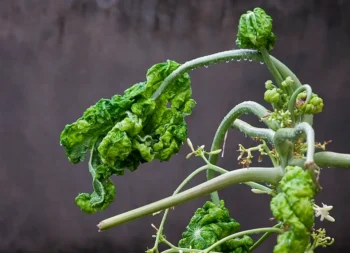
Growing Papaya Trees: A Tropical Treasure for Warm Climate Gardens
If you’ve ever dreamed of plucking fresh, sweet papaya fruit right from your backyard, you might be surprised to learn that growing your own papaya tree (Carica papaya) is more achievable than you think—if you live in the right climate. This fast-growing tropical beauty has been winning hearts and stomachs across warm regions of the United States, from Florida’s humid landscapes to Hawaii’s volcanic soils.
What Exactly Is a Papaya Tree?
Despite its common name suggesting it’s a tree, papaya is technically classified as a large shrub. Don’t let that fool you though—this perennial powerhouse can shoot up to 20 feet tall with its distinctive single-stem growth pattern that gives it a palm-like appearance. With its umbrella of large, deeply-lobed leaves crowning the top and clusters of white flowers that transform into bright orange fruits, papaya creates an unmistakably tropical vibe wherever it grows.
Where Does Papaya Call Home?
Originally hailing from Central America and southern Mexico, papaya has become quite the world traveler. In the United States, you’ll find established populations thriving in Florida, Hawaii, Guam, Palau, Puerto Rico, the U.S. Minor Outlying Islands, and the Virgin Islands. As a non-native species, papaya has proven quite adaptable, reproducing spontaneously in the wild and persisting without human intervention in these warm climates.
- Species observed
- No observations
The Appeal of Papaya in Your Garden
There’s something undeniably exciting about growing your own tropical fruit, and papaya delivers on multiple fronts:
- Lightning-fast growth: With a rapid growth rate, you won’t be waiting decades for results
- Year-round interest: Active growth and fruiting happen throughout the year in suitable climates
- Dramatic foliage: Those big, palmate leaves create instant tropical drama
- Edible rewards: Bright orange fruits are both ornamental and delicious
- Compact footprint: Despite its height, the single-stem structure doesn’t take up much ground space
Where Papaya Fits in Your Landscape
Papaya works beautifully as a specimen plant where you want to create a focal point with tropical flair. Its upright, erect growth habit makes it perfect for adding vertical interest to landscape designs. Consider using papaya in edible landscaping projects, permaculture designs, or as part of a tropical plant collection. The dense foliage provides excellent screening, though the short lifespan means it’s best used for temporary privacy solutions.
Growing Conditions: What Papaya Craves
Papaya is pretty particular about its growing conditions, which explains why it’s only successful in certain regions:
- Climate: Needs frost-free conditions year-round (365 frost-free days minimum)
- Temperature: Cannot tolerate temperatures below 32°F
- USDA Zones: Thrives in zones 9b-11
- Sunlight: Shade intolerant—needs full sun to perform well
- Water: High moisture requirements with low drought tolerance
- Soil: Prefers medium to fine-textured soils with high fertility requirements
- pH: Adaptable to pH ranges from 5.0 to 8.0
- Drainage: Low tolerance for waterlogged conditions
Planting and Care Tips
Success with papaya starts with choosing the right location and providing consistent care:
- Spacing: Plant 30-700 trees per acre, depending on your goals—closer spacing for screening, wider for individual specimens
- Soil prep: Ensure excellent drainage while maintaining high fertility
- Watering: Maintain consistent moisture levels—papaya is thirsty but doesn’t like wet feet
- Fertilizing: High fertility requirements mean regular feeding is essential
- Root space: Provide at least 40 inches of root depth
- Propagation: Easily grown from seed (8,000 seeds per pound!) or purchased as container plants
Wetland Considerations
Papaya’s relationship with water varies by region. In Atlantic and Gulf Coastal Plains and Caribbean areas, it’s classified as Obligate Upland, meaning it almost never occurs in wetlands. However, in Hawaii, it’s more flexible, earning a Facultative status where it can handle both wetland and non-wetland conditions.
Wildlife and Pollinator Benefits
While papaya flowers are small, they do attract pollinators, particularly small insects and bees. The white blooms appear year-round and are essential for fruit production, especially since most papaya plants are either male or female and need cross-pollination to produce fruit.
Should You Plant Papaya?
If you live in zones 9b-11 and can provide the specific growing conditions papaya demands, it can be a rewarding addition to your landscape. However, as a non-native species, consider balancing your plant choices with native alternatives that support local ecosystems. Some native options that provide tropical appeal in warm climates include native palm species, native fruit trees, or indigenous flowering shrubs specific to your region.
Papaya’s rapid growth and short lifespan make it perfect for gardeners who want quick results and don’t mind replanting every few years. Just remember—this tropical beauty needs warmth, sun, water, and lots of TLC to truly thrive in your garden paradise.