Paper Mulberry: Why This Fast-Growing Tree Should Stay Out of Your Garden
If you’re browsing for fast-growing shade trees, you might come across paper mulberry (Broussonetia papyrifera) and be tempted by its rapid growth and adaptability. But before you dig that hole, let’s talk about why this particular tree might not be the garden friend you’re looking for.
What is Paper Mulberry?
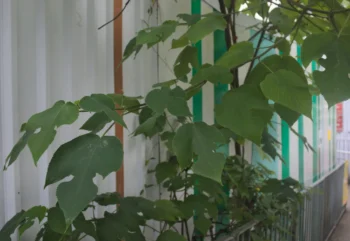
Paper mulberry is a deciduous tree that can reach impressive heights of 13-16 feet or more, though it sometimes develops a shorter, multi-stemmed growth habit depending on conditions. This perennial woody plant sports large, heart-shaped leaves that can be either lobed or smooth-edged, giving it an attractive, lush appearance that many gardeners find appealing.
You might also see this tree listed under its scientific synonyms Morus papyrifera or Papyrius papyriferus in older gardening references, but they all refer to the same species.
The Not-So-Great News: It’s an Invasive Species
Here’s where things get complicated. Paper mulberry isn’t native to North America – it originally hails from East Asia. Since its introduction to the United States, it has established itself across 29 states, from Alabama to West Virginia, and even made its way to Hawaii. This tree reproduces spontaneously in the wild without any human help and tends to persist wherever it takes root.
- Species observed
- No observations
In Alabama, paper mulberry has earned a spot on the invasive species Watch List, which should give any responsible gardener pause. When a plant can spread aggressively and potentially crowd out native species, it’s time to consider better alternatives for your landscape.
Growing Conditions and Hardiness
Part of what makes paper mulberry so problematic is just how adaptable it is. This tree thrives in USDA hardiness zones 6-10 and shows remarkable tolerance for various growing conditions. Whether you’re dealing with:
- Different soil types
- Drought conditions (once established)
- Full sun to partial shade
- Various moisture levels (though it typically prefers upland, non-wetland areas)
Paper mulberry just keeps on growing. Its wetland status varies by region – in some areas like the Eastern Mountains and Great Plains, it’s classified as Obligate Upland, while in coastal and midwest regions, it’s Facultative Upland, meaning it can occasionally tolerate wetter conditions too.
Why You Should Skip This Tree
While paper mulberry might seem like the perfect low-maintenance shade tree, its invasive nature means it can escape your garden and establish itself in natural areas, potentially displacing native plants that local wildlife depends on. The tree’s ability to spread through root suckers means one tree can quickly become many.
Additionally, the flowers are wind-pollinated rather than providing nectar for beneficial insects, so you won’t be doing local pollinators any favors by planting it.
Better Native Alternatives
Instead of paper mulberry, consider these native alternatives that provide similar benefits without the ecological concerns:
- American Elm cultivars – Disease-resistant varieties offer excellent shade
- Red Oak – Provides stunning fall color and supports hundreds of butterfly and moth species
- Tulip Poplar – Fast-growing native with beautiful flowers
- Sweet Gum – Adaptable native with interesting seed pods and fall color
The Bottom Line
While paper mulberry might be tempting with its fast growth and easy-care nature, the potential environmental impact makes it a poor choice for responsible gardeners. By choosing native alternatives instead, you’ll get the shade and beauty you want while supporting local ecosystems and wildlife. Your garden – and your local environment – will thank you for making the more thoughtful choice.