Papyrus: The Ancient Plant That’s Making a Splash in Modern Water Gardens
If you’ve ever dreamed of channeling your inner ancient Egyptian or just want to add some serious drama to your water garden, papyrus might be calling your name. This isn’t your typical backyard plant – we’re talking about the same species that was used to make paper thousands of years ago! But before you start planning your personal Nile River, let’s dive into what makes this aquatic giant tick and whether it’s right for your garden.
What Exactly Is Papyrus?
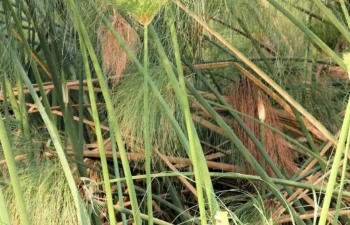
Papyrus (Cyperus papyrus) is a perennial sedge that’s basically the supermodel of the aquatic plant world. Picture this: towering triangular stems shooting up from the water, each crowned with an explosion of thread-like leaves that look like someone stuck a feather duster on top of a green pole. It’s part of the sedge family, making it a grass-like plant that’s perfectly at home with its feet wet – or completely submerged.
Where Does Papyrus Come From?
Originally hailing from Africa (think Nile River valley), papyrus has packed its bags and settled into warmer parts of the United States. You’ll find established populations in California, Florida, Hawaii, Louisiana, and Puerto Rico. While it’s not native to these areas, it has naturalized and reproduces on its own in the wild.
- Species observed
- No observations
The Good, The Bad, and The Wet
Here’s the thing about papyrus – it’s what we call an obligate wetland plant across all regions where it grows. This means it almost always needs to have its roots in saturated soil or standing water. No exceptions, no compromises. It’s like that friend who absolutely must have their morning coffee – non-negotiable.
Since papyrus isn’t native to North America but isn’t currently listed as invasive or noxious either, it falls into a gray area. You can grow it, but consider it more of a exotic guest than a permanent resident in your local ecosystem.
What’s the Appeal?
Let’s be honest – papyrus is a showstopper. Here’s what makes it garden-worthy:
- Dramatic height: Can reach 6-10 feet tall with a 3-6 foot spread
- Unique architectural form with distinctive umbrella-topped stems
- Fast growth rate for quick impact
- Perfect for creating tropical or exotic garden themes
- Excellent focal point for water features
Where Does Papyrus Belong?
Papyrus isn’t going to work in your typical perennial border – remember, it needs water, and lots of it. Here’s where it shines:
- Pond edges and water gardens
- Bog gardens and rain gardens
- Large containers with standing water
- Tropical landscape designs
- Pool areas for that resort-style vibe
Growing Papyrus Successfully
Climate Needs: Papyrus thrives in USDA zones 9-11. If you’re in a cooler climate, treat it as an annual or bring containers indoors during winter.
Light Requirements: Full sun to partial shade, though it performs best with at least 6 hours of direct sunlight.
Water Needs: This is where papyrus gets picky. It needs consistently saturated soil or can even grow with its roots completely submerged in up to 6 inches of standing water.
Planting Tips:
- Plant in heavy, clay-rich soil that holds water well
- If planting in containers, use a pot without drainage holes
- Keep soil temperature above 60°F for best growth
- Space plants 3-6 feet apart – they need room to spread
Care and Maintenance:
- Remove dead or damaged stems at the base
- Divide clumps every 2-3 years in spring
- Fertilize monthly during growing season with aquatic plant fertilizer
- Protect from cold temperatures and strong winds
Wildlife and Pollinator Considerations
While papyrus creates impressive visual impact, it’s wind-pollinated and doesn’t offer much in terms of nectar or pollen for beneficial insects. Its dense growth can provide some habitat for water-loving creatures, but it won’t be a pollinator magnet.
Should You Plant Papyrus?
If you have the right wet conditions and want an exotic, dramatic plant that’ll make your neighbors do double-takes, papyrus could be your new best friend. Just remember that you’re essentially adopting a very tall, very thirsty plant that demands constant moisture.
However, if you’re looking to support native ecosystems, consider these native alternatives instead:
- Native sedges like Carex species
- Cattails (Typha latifolia)
- Native rushes (Juncus species)
- Wild rice (Zizania aquatica) in appropriate regions
The bottom line? Papyrus is like that exotic friend who’s fascinating to have around but requires special accommodation. If you can meet its watery needs and want to add some ancient Egyptian flair to your garden, go for it – just be prepared to commit to its aquatic lifestyle!