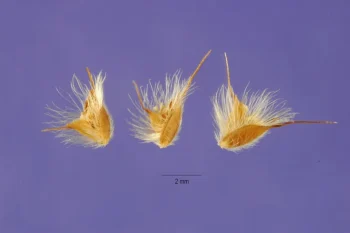
Paraguayan Windmill Grass: What You Need to Know About This Non-Native Perennial
If you’ve stumbled across the name Paraguayan windmill grass in your gardening research, you might be wondering what exactly this plant is and whether it belongs in your landscape. Let’s dive into what we know about Chloris canterai, a perennial grass that’s made its way from South America to parts of the southern United States.
Getting to Know Paraguayan Windmill Grass
Paraguayan windmill grass (Chloris canterai) is a perennial grass species that originally hails from South America, likely the Paraguay region as its common name suggests. This non-native plant has established itself in several southern states, where it now reproduces on its own without human intervention.
As a member of the grass family, this species shares the typical characteristics you’d expect from grasses and grass-like plants. However, detailed information about its specific appearance, growth patterns, and ornamental qualities remains limited in readily available sources.
Where You’ll Find It Growing
Currently, Paraguayan windmill grass has been documented growing in Georgia, Louisiana, South Carolina, and Texas. It’s worth noting that as a non-native species, its presence in these areas represents an introduction rather than a natural occurrence.
- Species observed
- No observations
Should You Plant Paraguayan Windmill Grass?
Here’s where things get a bit tricky. While Paraguayan windmill grass isn’t currently listed as invasive or noxious, its status as a non-native species that readily naturalizes raises some questions worth considering:
- Limited information is available about its specific growing requirements and characteristics
- Its impact on local ecosystems isn’t well documented
- As a non-native grass, it may not provide the same benefits to local wildlife as native species
Native Alternatives to Consider
If you’re looking for ornamental grasses for your southern landscape, consider these native alternatives that will better support local wildlife and ecosystems:
- Little bluestem (Schizachyrium scoparium)
- Eastern gamagrass (Tripsacum dactyloides)
- Switchgrass (Panicum virgatum)
- Purple lovegrass (Eragrostis spectabilis)
Growing Conditions and Care
Unfortunately, specific growing requirements for Paraguayan windmill grass aren’t well documented in available literature. If you do encounter this species or choose to grow it, general grass care principles would likely apply:
- Most grasses prefer well-draining soil
- Full sun exposure is typically preferred
- Watering needs vary by species and climate
- Regular maintenance may include occasional cutting back
The Bottom Line
While Paraguayan windmill grass isn’t necessarily a bad plant, the limited information available about its characteristics and ecological impact makes it a questionable choice for intentional planting. Your landscape dollars and efforts might be better invested in well-researched native grasses that provide known benefits to local wildlife and ecosystems.
If you’re passionate about ornamental grasses, there’s a wonderful world of native species waiting to be discovered that will give you beautiful results while supporting your local environment. Sometimes the best garden choices are the ones that have been growing in your region for thousands of years!