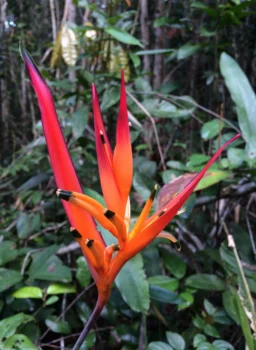
Parakeetflower: A Tropical Showstopper for Warm Climate Gardens
If you’ve ever dreamed of transforming your garden into a tropical paradise, the parakeetflower (Heliconia psittacorum) might just be the eye-catching accent plant you’re looking for. With its vibrant orange and red bird-like bracts that seem to perch among lush green foliage, this striking perennial brings an unmistakable exotic flair to any landscape.
What Makes Parakeetflower Special?
The parakeetflower is a herbaceous perennial that grows as a forb – essentially a non-woody plant that puts all its energy into producing those spectacular colorful bracts rather than building thick stems or trunks. The plant’s common name perfectly captures its essence: those bright orange and red bracts really do look like tiny tropical parakeets nestled among the paddle-shaped leaves.
Origins and Distribution
While parakeetflower has made itself at home in Puerto Rico where it now reproduces naturally in the wild, it’s actually native to northern South America, including Venezuela, Guyana, Suriname, French Guiana, and northern Brazil. As a non-native species that has established itself in Puerto Rico’s landscape, it demonstrates remarkable adaptability to Caribbean growing conditions.
- Species observed
- No observations
Should You Plant Parakeetflower in Your Garden?
The decision to grow parakeetflower depends largely on your climate and garden goals. Here’s what to consider:
The Case for Growing Parakeetflower
- Stunning visual impact: Few plants can match the tropical drama of those bright orange and red bracts
- Hummingbird magnet: These birds are the plant’s primary pollinators and will frequent your garden
- Excellent cut flowers: The long-lasting bracts make spectacular indoor arrangements
- Versatile placement: Works beautifully in tropical borders, as accent plants, or in large containers
- Wetland tolerance: Can handle both moist and moderately dry conditions
Consider Native Alternatives
Since parakeetflower isn’t native to most of the United States, consider exploring native tropical or subtropical plants that might offer similar benefits to local wildlife and ecosystems. Your local extension office can suggest region-appropriate alternatives that provide comparable aesthetic appeal while supporting native pollinators and wildlife.
Growing Conditions and Care
Parakeetflower thrives in USDA hardiness zones 9b through 11, where temperatures don’t typically drop below 25-30°F. If you live in a cooler climate, container growing with winter protection indoors is your best bet.
Light and Location
This tropical beauty prefers partial shade to filtered light – think of the dappled sunlight it would receive under a rainforest canopy. Too much direct sun can scorch the leaves, while too little light may reduce flowering.
Soil and Water Requirements
- Soil: Well-draining but consistently moist soil rich in organic matter
- Water: Regular watering to keep soil evenly moist but not waterlogged
- Humidity: High humidity levels (50% or higher) for optimal growth
Planting and Care Tips
Getting your parakeetflower established and thriving requires attention to its tropical origins:
- Planting: Choose a location protected from cold winds and harsh afternoon sun
- Fertilizing: Feed monthly during the growing season with a balanced fertilizer
- Maintenance: Remove spent bracts to encourage continued flowering
- Division: Divide clumps every 2-3 years to maintain vigor and prevent overcrowding
- Winter care: In zones 9b-10, mulch heavily around the base for cold protection
Landscape Design Ideas
Parakeetflower works wonderfully as:
- A dramatic focal point in tropical garden beds
- Background plantings in mixed perennial borders
- Container specimens for patios and poolsides
- Cut flower garden additions
- Greenhouse or conservatory plants in cooler climates
The Bottom Line
Parakeetflower offers undeniable tropical appeal and can be a rewarding addition to warm-climate gardens, especially for gardeners seeking to attract hummingbirds or add exotic flair to their landscape. While it’s not native to most growing areas, it’s not considered invasive either. Just remember to research native alternatives that might provide similar benefits while supporting your local ecosystem – your regional wildlife will thank you for it!
Whether you choose parakeetflower or a native alternative, the key to success lies in understanding and meeting the plant’s specific growing requirements. With proper care and the right conditions, you’ll be rewarded with a spectacular display that brings a touch of the tropics right to your backyard.