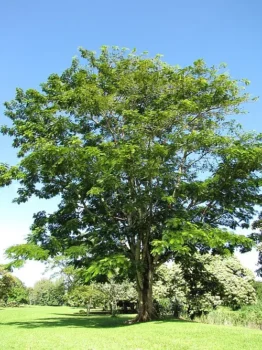
Parkia timoriana: The Mysterious Tropical Shade Tree
If you’re looking for a conversation starter in your tropical garden, Parkia timoriana might just be your ticket to horticultural fame. This lesser-known member of the legume family brings an exotic flair that’s sure to have your neighbors wondering what that magnificent specimen tree is gracing your landscape.
What Exactly is Parkia timoriana?
Parkia timoriana (sometimes known by its synonym Parkia roxburghii G. Don) is a tropical tree that doesn’t get nearly the attention it deserves in gardening circles. While it may not have a catchy common name that rolls off the tongue, this species makes up for it with distinctive character and impressive presence.
Where Does It Come From?
This tree hails from the tropical regions of Southeast Asia, with its native range including parts of Indonesia, Malaysia, and other warm, humid areas of tropical Asia. It’s a tree that’s perfectly adapted to life in the steamy tropics, where it can truly show off its best features.
Why Consider Parkia timoriana for Your Garden?
Here’s what makes this tree worth considering:
- Unique aesthetic appeal: Features an attractive umbrella-shaped canopy that provides excellent shade
- Distinctive flowers: Produces fascinating spherical flower heads on long stalks that are unlike anything else in your garden
- Wildlife magnet: The flowers attract bats (the primary pollinators) along with various beneficial insects
- Specimen tree potential: Makes an excellent focal point in large tropical landscapes
Growing Conditions and Care
Before you fall head over heels for this tropical beauty, let’s talk reality check. Parkia timoriana is definitely not a tree for everyone or every climate.
Climate Requirements
- USDA Hardiness Zones: 10-12 only (sorry, temperate gardeners!)
- Temperature: Needs consistently warm temperatures year-round
- Humidity: Thrives in high humidity environments
Growing Conditions
- Sunlight: Full sun to partial shade
- Soil: Well-draining soil that doesn’t stay waterlogged
- Water: Regular watering, especially during dry periods
- Space: Needs plenty of room to develop its characteristic umbrella canopy
Planting and Care Tips
If you’re lucky enough to live in a climate where Parkia timoriana can thrive, here are some tips for success:
- Choose a location with plenty of space for the tree to mature
- Ensure good drainage to prevent root rot
- Provide protection from strong winds, which can damage the umbrella-shaped canopy
- Water regularly during establishment and dry periods
- Be patient – like many tropical trees, this one takes time to reach its full potential
Is This Tree Right for You?
Parkia timoriana is best suited for:
- Large tropical or subtropical gardens
- Estate landscapes with plenty of space
- Gardeners who appreciate unique, conversation-worthy plants
- Those interested in supporting wildlife, particularly bats and beneficial insects
However, this tree might not be the best choice if you’re dealing with limited space, cooler climates, or looking for a low-maintenance option.
The Bottom Line
Parkia timoriana is one of those special plants that rewards the right gardener in the right location with years of unique beauty and wildlife activity. While it’s certainly not the easiest tree to grow, those who can provide the proper tropical conditions will find themselves with a truly distinctive addition to their landscape. Just remember to give it the space, warmth, and humidity it craves, and this mysterious tropical beauty might just become the crown jewel of your garden.