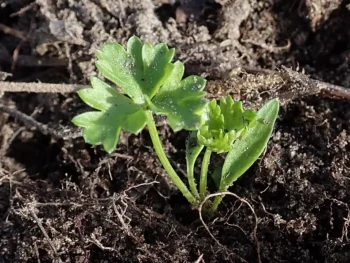
Growing Parsley: The Garden Herb That’s More Than Just a Garnish
If you’ve ever wondered about that curly green stuff adorning your dinner plate, you’re looking at one of the world’s most popular herbs: parsley. Known botanically as Petroselinum crispum, this leafy little powerhouse has been seasoning our meals and beautifying our gardens for centuries. But there’s more to this common herb than meets the eye!
What Exactly Is Parsley?
Parsley is a biennial forb, which is just a fancy way of saying it’s a soft-stemmed plant that typically completes its life cycle over two years. In its first year, parsley focuses on producing those familiar bright green, deeply divided leaves we love to cook with. Come year two, it shifts gears and produces clusters of tiny white flowers before setting seed and calling it quits.
This Mediterranean native has quite the collection of aliases from its botanical history, including names like Apium petroselinum and Petroselinum hortense. But let’s stick with the simple parsley – it’s much easier to remember when you’re at the garden center!
Where Does Parsley Come From and Where Can You Find It?
While parsley originally hails from the Mediterranean region of Southern Europe, Western Asia, and North Africa, it has become a true world traveler. This non-native species has naturalized across much of North America, from Arkansas to Washington, and from Ontario down to Puerto Rico. You’ll find it growing in states as diverse as California, Florida, Massachusetts, and Montana.
- Species observed
- No observations
It’s worth noting that since parsley isn’t native to North America, consider incorporating some native herbs alongside it in your garden. Native alternatives like wild bergamot or native mints can provide similar aromatic qualities while supporting local ecosystems.
Why Grow Parsley in Your Garden?
There are plenty of reasons to give parsley a spot in your garden:
- Culinary versatility: Fresh parsley elevates everything from soups to salads
- Easy to grow: Even beginning gardeners can succeed with parsley
- Attractive foliage: The bright green, ruffled leaves add texture to garden borders
- Pollinator friendly: Those tiny white umbrella-shaped flowers attract beneficial insects like parasitic wasps
- Long growing season: Hardy in USDA zones 2-11, though often grown as an annual
- Container friendly: Perfect for windowsill gardens and patio containers
Perfect Garden Settings for Parsley
Parsley is wonderfully adaptable and fits into various garden styles:
- Herb gardens: A must-have alongside basil, oregano, and thyme
- Kitchen gardens: Keep it close to your back door for easy harvesting
- Cottage gardens: The informal, leafy texture complements flowers beautifully
- Container gardens: Thrives in pots on patios, balconies, or windowsills
- Edible landscaping: Use as an attractive border plant in ornamental beds
Growing Conditions: Keeping Your Parsley Happy
Parsley is refreshingly low-maintenance once you understand its preferences:
- Light: Partial shade to full sun (appreciates some afternoon shade in hot climates)
- Soil: Well-draining soil with good organic content
- Water: Consistent moisture but not waterlogged
- Temperature: Prefers cool weather; can handle light frosts
- pH: Slightly acidic to neutral soil (6.0-7.0)
Planting and Care Tips for Success
Getting parsley established is straightforward with these tips:
- Starting from seed: Soak seeds overnight before planting to improve germination
- Timing: Start seeds indoors 6-8 weeks before last frost, or direct sow in early spring
- Spacing: Plant 6-8 inches apart to allow for full growth
- Harvesting: Cut outer stems first, leaving the center to continue growing
- Succession planting: Sow new seeds every 3-4 weeks for continuous harvest
- Winter care: In mild climates, parsley may overwinter and flower in its second year
Supporting Pollinators and Wildlife
When parsley goes to flower in its second year, those tiny white blooms are like a welcome mat for beneficial insects. The umbrella-shaped flower clusters (called umbels) are particularly attractive to parasitic wasps, which help control garden pests naturally. While parsley may not support native wildlife as extensively as indigenous plants would, it still contributes to the garden ecosystem.
The Bottom Line on Growing Parsley
Parsley is one of those reliable garden friends that delivers both beauty and utility without much fuss. While it’s not native to North America, it’s not considered invasive either, making it a reasonable choice for gardeners who want to grow their own herbs. Just remember to balance your herb garden with some native options too – your local pollinators will thank you!
Whether you’re a seasoned gardener or just starting out, parsley offers a perfect introduction to growing your own herbs. Plus, there’s something deeply satisfying about snipping fresh parsley from your own garden instead of buying those plastic containers from the grocery store. Your taste buds (and your wallet) will definitely notice the difference!