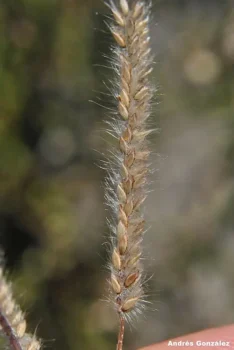
Paspalum polyphyllum: The Mystery Grass Worth Investigating
If you’ve stumbled upon the name Paspalum polyphyllum in your gardening research, you’ve discovered one of botany’s more elusive characters. This grass species sits quietly in the scientific literature, keeping most of its secrets to itself – and that’s exactly what makes it so intriguing for curious gardeners and plant enthusiasts.
What We Know About This Mysterious Grass
Paspalum polyphyllum belongs to the Poaceae family, making it a true grass rather than just a grass-like imposter. As a monocot, it shares company with familiar lawn grasses, ornamental grasses, and agricultural cereals. The genus Paspalum includes several hundred species worldwide, many of which are important forage grasses and some that have found their way into ornamental gardening.
However, P. polyphyllum itself remains something of a botanical enigma. Unlike its more famous cousins in the Paspalum family, this species hasn’t made its way into common cultivation or widespread botanical documentation, leaving us with more questions than answers about its characteristics and potential.
The Challenge of Growing the Unknown
Here’s where things get interesting (and a bit frustrating) for gardeners. Without reliable information about Paspalum polyphyllum’s native range, growing requirements, or even its basic appearance, recommending cultivation becomes a bit like suggesting someone adopt a pet they’ve never seen.
We don’t currently know:
- Where this grass naturally occurs
- What growing conditions it prefers
- How large it gets or what it looks like
- Whether it has any invasive tendencies
- What USDA hardiness zones it tolerates
- Its value to wildlife or pollinators
A Word of Caution for the Curious
While mystery plants can be tempting for adventurous gardeners, the lack of information about P. polyphyllum means we can’t assess potential risks or benefits. Without knowing its native status or invasive potential, introducing any unknown species into your landscape could have unintended consequences for local ecosystems.
Better Alternatives for Grass Enthusiasts
If you’re drawn to ornamental grasses or native species, consider exploring well-documented members of the Paspalum genus or other native grass options for your region. Many Paspalum species are beautiful, beneficial to wildlife, and come with the advantage of known growing requirements and ecological impacts.
Some gardeners might find satisfaction in researching local native grass species that offer similar aesthetic appeal without the uncertainty. Your local native plant society or agricultural extension office can provide recommendations for grasses that will thrive in your specific location while supporting local wildlife.
The Bottom Line
Paspalum polyphyllum remains one of botany’s quiet mysteries – a species that exists in scientific nomenclature but hasn’t revealed its secrets to the gardening world. While this makes it unsuitable for typical garden recommendations, it serves as a fascinating reminder that even in our well-documented world, plants can still surprise us with their elusiveness.
For now, this grass earns a place in the admire from afar category until more information becomes available about its characteristics, requirements, and ecological role.