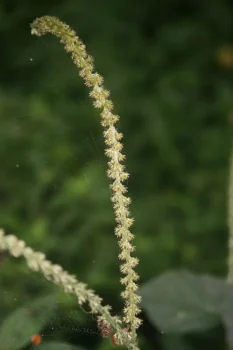
Pastureweed: The Uninvited Garden Guest You Should Know About
If you’ve stumbled across a low-growing plant with tiny, unremarkable flowers sprawling across disturbed soil in Puerto Rico, you might be looking at pastureweed (Cyathula prostrata). While this little plant might seem harmless enough, there’s more to this story than meets the eye.
What Exactly Is Pastureweed?
Pastureweed is a perennial forb – basically a non-woody plant that comes back year after year. Don’t let the innocent name fool you; this isn’t a plant that most gardeners would deliberately invite into their landscapes. As a member of the amaranth family, it’s built more for survival than for show.
You might also see this plant referred to by its scientific name, Cyathula prostrata, or its botanical synonym, Achyranthes prostrata. But regardless of what you call it, it’s the same scrappy little survivor.
Where Did This Plant Come From?
Here’s where things get interesting: pastureweed isn’t actually native to Puerto Rico. This tropical wanderer originally hails from Africa and Asia but has made itself quite at home in the Caribbean. It’s what botanists call a naturalized species – meaning it arrived as a hitchhiker but now reproduces on its own without any help from humans.
Currently, you’ll find established populations of pastureweed in Puerto Rico, where it has adapted well to the local climate and growing conditions.
- Species observed
- No observations
Should You Plant Pastureweed in Your Garden?
The short answer? Probably not. While pastureweed isn’t classified as invasive or noxious (at least not that we know of), it’s not exactly garden material either. Here’s why most gardeners give this one a pass:
- It has virtually no ornamental value – the flowers are tiny and unremarkable
- It tends to behave more like a weed than a desirable garden plant
- It prefers disturbed, weedy areas over well-maintained gardens
- It offers minimal benefits to pollinators due to its wind-pollinated flowers
What About Native Alternatives?
Instead of welcoming this non-native guest, consider some beautiful Puerto Rican native plants that will give you much more bang for your gardening buck. Native plants support local wildlife, require less maintenance once established, and contribute to the natural heritage of your area. Your local native plant society or extension office can recommend species that will thrive in your specific location and soil conditions.
If You Encounter Pastureweed
Since pastureweed prefers disturbed areas and has facultative upland status (meaning it usually grows in non-wetland areas but can tolerate some moisture), you’re most likely to spot it in:
- Waste areas and roadsides
- Disturbed soils
- Areas with poor soil quality
- Edges of cultivated areas
The plant grows in a prostrate (flat, sprawling) pattern, staying close to the ground. As a perennial, it will return year after year once established.
Managing Pastureweed
If pastureweed has shown up where you don’t want it, the best approach is usually hand removal when the soil is moist. Since it’s a perennial with a persistent root system, you’ll want to get as much of the root as possible to prevent regrowth.
Prevention is always easier than removal, so maintaining healthy, dense plantings of desirable species will help prevent pastureweed from getting a foothold in your garden in the first place.
The Bottom Line
While pastureweed isn’t going to take over your garden overnight, it’s not exactly the kind of plant that will make your neighbors green with envy either. This humble little survivor is better left to do its thing in wild, disturbed areas while you focus on creating beautiful spaces with plants that truly deserve a spot in your garden.
Remember, every plant has its place in the ecosystem – sometimes that place just isn’t in our carefully curated gardens!