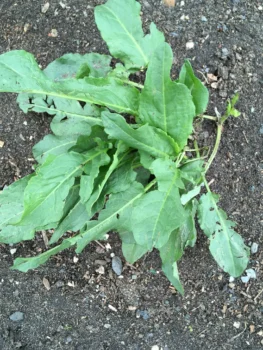
Patience Dock: An Old-World Edible Worth Considering (Maybe)
Meet patience dock (Rumex patientia), a plant that lives up to its name in more ways than one. This European transplant has been quietly establishing itself across North America, and while it might not be native to our shores, it’s earned its place in many gardeners’ hearts—and dinner plates.
What Exactly Is Patience Dock?
Patience dock is a perennial forb, which is just a fancy way of saying it’s an herbaceous plant that comes back year after year without any woody stems. Think of it as the sturdy, reliable cousin in the plant world—not flashy, but dependable. Originally from Europe and western Asia, this green immigrant has made itself at home across much of North America.
You’ll find patience dock growing wild in an impressive 36 U.S. states and 2 Canadian provinces, including British Columbia, Ontario, and states from coast to coast—from Maine to Washington, Florida to Montana. It’s clearly not picky about where it sets up shop!
- Species observed
- No observations
The Appeal (and the Reality) of Growing Patience Dock
So why might you want to invite this non-native visitor into your garden? Here are the main draws:
- Edible leaves: Young spring leaves are edible and have a tangy, lemony flavor—think spinach with a little more personality
- Low maintenance: This plant is tougher than a two-dollar steak and can handle poor soils
- Impressive size: Can reach 3-6 feet tall with dramatic broad leaves up to 12 inches long
- Pollinator friendly: Small flowers attract beneficial insects
- Historical significance: Used medicinally and as food for centuries
But here’s the thing—while patience dock isn’t considered invasive, it is a non-native species that can self-seed readily. Before you plant it, consider whether you might prefer a native alternative that provides similar benefits to local ecosystems.
Growing Patience Dock Successfully
If you’ve decided to give patience dock a try, you’ll be pleased to know it’s about as fussy as a golden retriever—which is to say, not at all.
Growing Conditions
- Hardiness zones: 3-8 (pretty much anywhere that gets cold winters)
- Sun requirements: Full sun to partial shade
- Soil: Tolerates poor soils but prefers moist, well-draining conditions
- Water: Moderate moisture; drought tolerant once established
Planting and Care Tips
- Start from seed in spring or fall
- Space plants 18-24 inches apart—they get big!
- Harvest young leaves in early spring for the best flavor
- Remove flower stalks if you don’t want self-seeding
- Very little care needed once established
Consider Native Alternatives
While patience dock can be a useful addition to an edible landscape, native dock species like curly dock (Rumex crispus) or native greens like lamb’s quarters (Chenopodium album) might be better choices for supporting local wildlife and ecosystems. These natives offer similar edible qualities while providing better habitat for native insects and birds.
The Bottom Line
Patience dock is like that reliable friend who shows up when you need them—not the most exciting presence, but dependable and useful. If you’re interested in edible landscaping and don’t mind a non-native species, it could work well in informal gardens or herb patches. Just remember to harvest those young leaves in spring, keep an eye on self-seeding, and consider whether a native alternative might serve your garden—and local ecosystem—even better.
After all, sometimes the most patient choice is taking time to consider all your options!