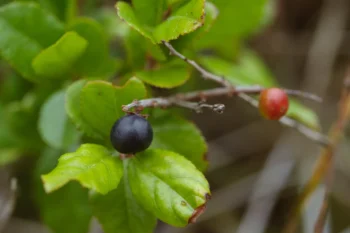
Pauper’s-Tea: A Lesser-Known Shrub for Texas Gardens
If you’ve stumbled across the name pauper’s-tea in your gardening adventures, you might be wondering what this mysteriously named plant is all about. Sageretia thea, known by this humble common name, is a perennial shrub that has quietly made its home in Texas landscapes, though it’s not originally from the Lone Star State.
What Exactly Is Pauper’s-Tea?
Pauper’s-tea is a multi-stemmed woody shrub that typically grows to about 13-16 feet tall, though it usually stays more compact in most garden settings. As a perennial, it’s here to stay once established, developing several stems that arise from or near the ground. The plant gets its quirky name from its modest appearance – nothing too flashy, but dependable and unpretentious.
Where Does It Come From and Where Does It Grow?
Here’s where things get interesting: pauper’s-tea isn’t actually native to North America. This Asian transplant has established itself as a non-native species that reproduces on its own in the wild. In the United States, you’ll primarily find it growing in Texas, where it has adapted to local conditions and persists without human intervention.
- Species observed
- No observations
Should You Plant Pauper’s-Tea in Your Garden?
This is where gardeners need to think carefully. While pauper’s-tea isn’t currently listed as invasive, its ability to reproduce spontaneously in the wild means it has naturalized beyond its original range. As responsible gardeners, we should consider both the benefits and potential impacts of non-native plants.
Potential Benefits:
- Low-maintenance perennial shrub
- Adapts well to Texas growing conditions
- Provides structure and screening in landscapes
- Likely drought-tolerant once established
Things to Consider:
- Non-native status means it may not support local wildlife as well as native alternatives
- Limited information available about its long-term behavior in gardens
- May compete with native plants in natural areas
Native Alternatives to Consider
Before choosing pauper’s-tea, consider these fantastic native Texas shrubs that provide similar benefits while supporting local ecosystems:
- Agarito (Mahonia trifoliolata) – thorny shrub with yellow flowers and red berries
- Texas Barberry (Mahonia swaseyi) – drought-tolerant with fragrant flowers
- Fragrant Sumac (Rhus aromatica) – excellent for erosion control and wildlife
- Texas Sage (Leucophyllum species) – beautiful purple flowers and silver foliage
If You Choose to Grow Pauper’s-Tea
Should you decide to include this shrub in your landscape, here’s what you need to know about growing it successfully:
Growing Conditions:
While specific growing requirements for Sageretia thea are not well-documented, based on its successful naturalization in Texas, it likely prefers:
- Well-draining soil
- Full sun to partial shade
- Drought tolerance once established
- USDA hardiness zones 8-10 (suitable for Texas climate)
Planting and Care Tips:
- Plant in spring after the last frost
- Water regularly during the first growing season to establish roots
- Once established, supplemental watering should be minimal
- Prune in late winter to maintain desired shape and size
- Monitor for any signs of aggressive spreading beyond your intended planting area
The Bottom Line
Pauper’s-tea represents an interesting case study in non-native plants that have found a niche in American landscapes. While it’s not inherently bad, choosing native alternatives will better support your local ecosystem and provide habitat for native wildlife. If you do choose to grow it, do so responsibly by monitoring its growth and preventing any unwanted spread to natural areas.
Remember, every plant choice we make in our gardens is a vote for the kind of landscape we want to create. Whether you choose pauper’s-tea or one of its native alternatives, the most important thing is to garden thoughtfully and with respect for the broader ecosystem we’re all part of.