Peachleaf Bellflower: A Charming European Perennial for American Gardens
If you’re looking for a cottage garden classic that brings old-world charm to your landscape, peachleaf bellflower (Campanula persicifolia) might just be the perfect addition. This delightful European perennial has been winning hearts in gardens across North America with its graceful bell-shaped blooms and easygoing nature.
What is Peachleaf Bellflower?
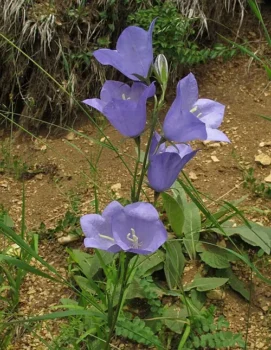
Peachleaf bellflower is a herbaceous perennial that belongs to the bellflower family. True to its name, this charming plant produces clusters of bell-shaped flowers that dance atop slender stems, creating a cottage garden dream. The peachleaf part of its name comes from its narrow, lance-shaped leaves that somewhat resemble peach tree foliage.
As a non-native species originally from Europe and Asia, peachleaf bellflower has naturalized in many areas across Canada and the United States, where it reproduces on its own and persists in the wild.
Where Does It Grow?
You’ll find peachleaf bellflower established across a wide range of locations, including British Columbia, New Brunswick, Ontario, Quebec, Connecticut, Massachusetts, Michigan, New York, North Carolina, Oregon, Pennsylvania, Utah, Vermont, Virginia, Washington, and Wisconsin. This impressive distribution speaks to its adaptability and hardiness.
- Species observed
- No observations
Why Gardeners Love Peachleaf Bellflower
There are several compelling reasons why this European import has become a garden favorite:
- Beautiful blooms: The purple-blue or white bell-shaped flowers create stunning vertical accents from late spring through summer
- Cut flower appeal: Those tall, elegant flower spikes make excellent additions to bouquets and floral arrangements
- Low maintenance: Once established, it’s quite drought tolerant and requires minimal care
- Pollinator magnet: Bees and butterflies absolutely adore the nectar-rich flowers
- Long blooming period: With proper deadheading, you can enjoy flowers for months
Garden Design and Landscape Role
Peachleaf bellflower shines brightest in cottage gardens and perennial borders, where its informal charm feels right at home. The tall flower spikes (reaching 2-3 feet) work beautifully as mid-border plants, creating vertical interest without overwhelming shorter companions. They’re also fantastic for naturalizing in meadow-style plantings or along woodland edges.
The plant’s clumping growth habit and tendency to self-seed (though not aggressively) make it perfect for gardeners who enjoy a slightly wild, naturalistic look.
Growing Conditions and Care
One of peachleaf bellflower’s best qualities is how forgiving it is. Here’s what it needs to thrive:
- Sunlight: Full sun to partial shade (though it flowers best with at least 6 hours of sun)
- Soil: Well-drained soil is essential – it won’t tolerate soggy conditions
- Hardiness: Thrives in USDA zones 3-7, making it suitable for most temperate climates
- Water: Regular water during establishment, then quite drought tolerant
- Maintenance: Deadhead spent flowers to encourage continued blooming and prevent excessive self-seeding
Planting Tips for Success
Getting peachleaf bellflower established is refreshingly straightforward:
- Plant in spring or fall when temperatures are moderate
- Space plants about 12-18 inches apart to allow for their spreading habit
- Improve heavy clay soils with compost to ensure good drainage
- Water regularly the first season, then reduce watering once established
- Divide clumps every 3-4 years to maintain vigor and prevent overcrowding
A Note on Native Alternatives
While peachleaf bellflower is a lovely garden addition, consider exploring native bellflower species like American bellflower (Campanula americana) or harebell (Campanula rotundifolia) if you’re focused on supporting local ecosystems. These native alternatives offer similar charm while providing even better support for native wildlife and pollinators.
The Bottom Line
Peachleaf bellflower offers gardeners an easy-care perennial with old-world appeal and reliable performance. While it’s not native to North America, it’s generally well-behaved in gardens and provides valuable nectar for pollinators. Whether you’re creating a cottage garden or adding vertical interest to a perennial border, this charming bellflower delivers season-long beauty with minimal fuss.
Just remember to deadhead those spent blooms if you want to keep it from self-seeding too enthusiastically around your garden!