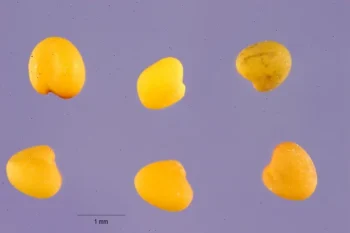
Peanut Clover: A Lesser-Known Non-Native Perennial
If you’ve stumbled across the name peanut clover in your gardening research, you might be wondering what this plant is all about. Trifolium polymorphum, commonly known as peanut clover, is one of those plants that doesn’t get much spotlight in the gardening world—and there’s a good reason for that.
What Exactly Is Peanut Clover?
Peanut clover is a perennial forb, which is just a fancy way of saying it’s a non-woody plant that comes back year after year. Like other clovers, it belongs to the legume family, but this particular species has some unique characteristics that set it apart from its more famous cousins like white clover or red clover.
This plant goes by the scientific name Trifolium polymorphum, though you might occasionally see it listed under older names like Trifolium amphianthum or Trifolium megalanthum in some botanical references.
Native Status and Where You’ll Find It
Here’s something important to know upfront: peanut clover isn’t native to North America. It’s an introduced species that has managed to establish itself in the wild, particularly in Louisiana and Texas. While it reproduces on its own and persists without human intervention, it hasn’t spread as aggressively as some other non-native plants.
- Species observed
- No observations
The Gardening Reality Check
Let’s be honest—there’s not a whole lot of detailed information available about growing peanut clover in home gardens. This isn’t necessarily because it’s a bad plant, but rather because it hasn’t gained popularity among gardeners or received much attention from horticultural researchers.
What we do know is that as a perennial forb, it likely shares some characteristics with other clover species, potentially offering:
- Nitrogen-fixing capabilities that could benefit soil health
- Low-growing ground cover potential
- Possible wildlife benefits, though specific details are limited
Growing Considerations
Since detailed growing information for peanut clover is scarce, gardeners interested in this plant would need to experiment with conditions similar to those preferred by other clover species. This might include:
- Well-draining soil
- Full sun to partial shade
- Moderate water requirements
However, without specific hardiness zone information or detailed care requirements, growing peanut clover successfully would involve some trial and error.
Consider Native Alternatives Instead
Given the limited information available about peanut clover and its non-native status, you might want to consider native alternatives that offer similar benefits but with better-documented growing requirements and proven ecological value.
For Louisiana and Texas gardeners, excellent native options include:
- Wild bergamot (Monarda fistulosa) – a pollinator magnet
- Texas sage (Leucophyllum species) – drought-tolerant and beautiful
- Native milkweeds (Asclepias species) – essential for monarch butterflies
- Prairie clover species (Dalea species) – native legumes that fix nitrogen
The Bottom Line
While peanut clover isn’t necessarily a bad plant, it’s not particularly well-suited for most home gardens due to the lack of available growing information and its non-native status. If you’re looking for ground cover, nitrogen fixation, or wildlife benefits, you’ll likely have much better success with well-documented native alternatives that support local ecosystems.
Sometimes the most responsible gardening choice is to pass on the mysterious plants and stick with species that have proven track records and clear benefits for both your garden and local wildlife.