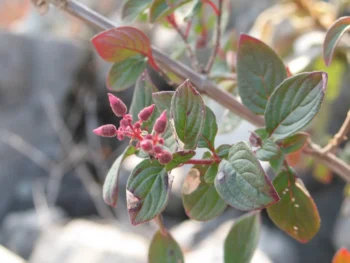
Pearlflower: A Tropical Shrub for Hawaiian Gardens
If you’re gardening in Hawaii and looking for a low-maintenance flowering shrub, you might have come across the pearlflower (Heterocentron subtriplinervium). This small tropical shrub has found a home in the Hawaiian Islands, where it’s become a naturalized part of the landscape. But should you add it to your garden? Let’s dive into what makes this plant tick and whether it’s right for your space.
What is Pearlflower?
Pearlflower is a perennial shrub that typically stays compact, rarely growing taller than 13-16 feet, though most specimens remain much smaller. It’s characterized by its multi-stemmed growth habit and attractive glossy green leaves marked with distinctive parallel veins. The real showstopper, though, is its delicate pink to purple flowers that seem to sparkle like tiny pearls—hence the common name.
Originally hailing from Mexico and Central America, including Guatemala and Honduras, this plant has adapted well to tropical climates. You might also see it listed under its synonym, Heterocentron macrostachyum, in older gardening references.
Where Does Pearlflower Grow?
In the United States, pearlflower has established itself exclusively in Hawaii, where it reproduces naturally without human intervention. It’s considered a non-native species that has successfully naturalized in the Hawaiian ecosystem.
- Species observed
- No observations
Should You Plant Pearlflower?
Here’s where things get interesting. Pearlflower isn’t native to Hawaii, but it’s also not currently listed as invasive or noxious. This puts it in a gray area that many gardeners face when choosing plants. Here are some factors to consider:
Reasons You Might Choose Pearlflower:
- Low maintenance once established
- Attractive flowers that bloom regularly in tropical climates
- Compact size makes it suitable for smaller gardens
- Provides nectar for pollinators like bees and butterflies
- Adapts well to Hawaiian growing conditions
Reasons to Consider Alternatives:
- It’s not native to Hawaii, so it doesn’t support native ecosystems as effectively
- Native Hawaiian plants are often better adapted to local conditions
- Supporting native species helps preserve Hawaii’s unique biodiversity
Native Hawaiian Alternatives
If you’re leaning toward supporting native species (which we always encourage!), consider these beautiful Hawaiian natives that offer similar garden appeal:
- ʻŌhiʻa lehua (Metrosideros polymorpha) – stunning red flowers
- Naupaka (Scaevola taccada) – coastal shrub with unique white flowers
- ʻAʻaliʻi (Dodonaea viscosa) – versatile shrub with colorful seed capsules
Growing Pearlflower Successfully
If you decide to grow pearlflower, here’s what you need to know to keep it happy:
Growing Conditions:
- Climate: USDA zones 10-12 only (tropical and subtropical climates)
- Light: Partial shade to full sun
- Soil: Moist, well-draining soil
- Water: Regular watering, but avoid waterlogged conditions
Planting and Care Tips:
- Plant in spring when temperatures are consistently warm
- Space plants adequately to allow for their natural spreading habit
- Mulch around the base to retain moisture and suppress weeds
- Prune lightly after flowering to maintain shape
- Watch for the plant’s tendency to self-seed and manage accordingly
Garden Design Ideas
Pearlflower works well in naturalistic tropical landscapes where its informal growth habit can shine. It’s particularly effective as:
- Ground cover on slopes
- Understory planting beneath taller trees
- Border planting in informal garden designs
- Part of a mixed shrub border
The Bottom Line
Pearlflower is a pretty, low-maintenance option for Hawaiian gardens, but it’s not the only choice—and arguably not the best choice if you’re committed to supporting native ecosystems. While we won’t discourage you from growing it (it’s not invasive, after all), we’d love to see you consider native Hawaiian alternatives first. They’re just as beautiful, often easier to grow, and they give back to the local ecosystem in ways that non-native plants simply can’t.
Whatever you choose, happy gardening in paradise!