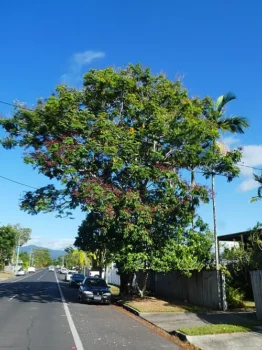
Peltophorum: The Golden Flame Tree That Lights Up Tropical Gardens
If you’re looking for a showstopper tree that can transform your tropical landscape into a golden paradise, let me introduce you to peltophorum (Peltophorum pterocarpum). This impressive tree, also known by its scientific synonyms including Peltophorum inerme and Peltophorum inermis, is like nature’s own fireworks display – but one that lasts for months instead of minutes!
What Exactly Is Peltophorum?
Peltophorum is a perennial tree that typically grows as a single-trunked specimen reaching heights greater than 13-16 feet, though it can sometimes develop multiple stems under certain conditions. Think of it as the friendly giant of the tropical tree world – large enough to provide serious shade, but graceful enough to serve as a stunning ornamental centerpiece.
Where Does Peltophorum Call Home?
Originally native to Southeast Asia, including Malaysia, Indonesia, and the Philippines, peltophorum has made itself at home in various tropical locations. In the United States, you’ll find it growing in Florida, Guam, Palau, Puerto Rico, and the U.S. Virgin Islands. It’s considered a non-native species that reproduces naturally in these areas.
- Species observed
- No observations
The Good, The Bad, and The Beautiful
Why you might love peltophorum:
- Spectacular golden-orange flower clusters that bloom for extended periods
- Fast-growing shade provider perfect for hot climates
- Feathery, compound leaves create dappled shade
- Attractive ornamental seed pods add visual interest
- Attracts bees and other beneficial pollinators
- Drought tolerant once established
Things to consider:
- Only suitable for USDA hardiness zones 10-12 (tropical and subtropical areas only)
- As a non-native species, it may not support local wildlife as effectively as native alternatives
- Large size requires adequate space – not suitable for small yards
Growing Conditions: What Makes Peltophorum Happy
Peltophorum is refreshingly unfussy when it comes to growing conditions. Here’s what it needs to thrive:
- Sunlight: Full sun exposure for best flowering
- Soil: Well-drained soil; tolerates various soil types
- Water: Regular watering during establishment, then quite drought tolerant
- Space: Plant where it has room to spread – this tree likes to stretch out!
Wetland Compatibility
Interestingly, peltophorum’s relationship with water varies by region. In the Atlantic and Gulf Coastal Plain, it’s considered facultative, meaning it can handle both wet and dry conditions. However, in the Caribbean and Hawaii regions, it’s classified as an obligate upland plant, preferring to keep its roots on the drier side.
Landscape Design Ideas
Peltophorum works beautifully as:
- A specimen shade tree in large residential landscapes
- Street tree in tropical urban settings
- Focal point in commercial landscapes and parks
- Background tree in mixed tropical plantings
Planting and Care Tips
Getting your peltophorum off to a good start is straightforward:
- Plant in full sun location with adequate space for mature size
- Water regularly during the first year to help establish strong roots
- Minimal pruning required – just remove dead or crossing branches
- Fertilize lightly in spring if desired, though it’s not usually necessary
- Be patient – while fast-growing, the best flowering occurs on mature trees
Native Alternatives to Consider
While peltophorum can be a stunning addition to appropriate landscapes, consider these native alternatives that provide similar benefits while supporting local ecosystems:
- For Florida: Tabebuia species (native trumpet trees)
- For Caribbean regions: Local Cassia or Senna species
- For Pacific regions: Indigenous flowering trees specific to your island
The Bottom Line
Peltophorum pterocarpum can be a magnificent addition to tropical and subtropical landscapes, offering spectacular blooms, reliable shade, and relatively easy care. While it’s not native to U.S. territories, its current status as a naturalized (but not invasive) species makes it a reasonable choice for appropriate climates. Just remember to give it plenty of space to show off its golden glory, and consider pairing it with native plants to create a landscape that’s both beautiful and ecologically supportive.
Whether you’re dreaming of a tropical paradise in your backyard or planning a large-scale landscape project, peltophorum might just be the golden ticket to the stunning shade tree you’ve been seeking!